Flange Insert NZ: A Step-by-Step Guide to a Comfortable Fit
Short answer Flange inserts are soft silicone sleeves that reduce the opening of a standard 24mm breast pump shield so it fits your nipple more precisely. They help prevent friction, pinching and soreness during pumping. This guide explains how to measure yourself, choose the right size and use inserts correctly for a more comfortable session.
If you are pumping and something feels off, the size of your flange could be the reason. A flange insert NZ mums often search for is a simple silicone sleeve that sits inside a standard 24mm shield to make the opening smaller and more comfortable. This guide is for anyone who has sore nipples, low output or a general feeling that pumping should not be that uncomfortable. We will walk you through measuring, choosing and using flange inserts step by step.

Why flange inserts matter for comfortable pumping
The flange, sometimes called a shield, is the funnel-shaped part of your breast pump that sits against your breast. Most standard pumps come with a 24mm opening, but not every nipple fits that size. If the tunnel is too wide, your nipple can rub against the sides and cause friction. If it is too narrow, you may feel pinched or see your nipple pressed against the walls.
Flange inserts solve this by reducing the opening to a size that matches your nipple more closely. They are made from soft silicone, which is gentler on sensitive skin than hard plastic. A better fit can mean less pain, less friction and a more effective session overall.
For general guidance on breastfeeding and pumping, Plunket offers practical support for new mums. If you have concerns about nipple pain or breast health, your LMC midwife or Plunket nurse is a good first person to talk to.
| Feature | Details |
|---|---|
| Sizes included | 13mm, 15mm, 17mm, 19mm |
| Material | Soft silicone, BPA-free |
| Compatibility | Relievoo M22 PRO2 and most wearable pumps with 24mm shields |
| What's in the box | 10 inserts and a size guide card |
How to measure for a flange insert
Getting the right size starts with a simple measurement. You will need a ruler or a measuring tape with millimetre markings, and it helps to measure when your nipple is at its most natural state, not when it is cold or overstimulated.
Step-by-step measuring
- Measure the diameter of your nipple at the base, where it meets the areola. Do not include the areola itself.
- Do this after a feed or a short pumping session, because your nipple changes shape slightly during stimulation.
- Take the measurement a couple of times to be sure. Nipples can differ slightly between breasts, so measure both sides.
- Add about 1 to 3mm to your measurement to find the tunnel size. For example, if your nipple measures 14mm, a 15mm insert is a sensible starting point.
- Check the size guide card that comes with your inserts. It gives you a visual reference to confirm your choice.
If you are between sizes, start with the larger one. A little extra room is usually more comfortable than a tunnel that is too tight. You can always try a smaller size in a later session.
Choosing the right flange insert in NZ
When you search for a flange insert in NZ, you will find a few options. The key things to look for are the material, the sizes available and whether the insert fits your pump.
The All-Size Flange Inserts from Relievoo are a helpful option. They come in a set of ten, with sizes 13mm, 15mm, 17mm and 19mm, so you can try a few sizes without buying separate packs. They are made from soft, BPA-free silicone and are designed to fit the Relievoo M22 PRO2 and most wearable pumps with a standard 24mm shield. A size guide card is included to help you check your fit.
If you are not sure whether inserts will work with your pump, check the compatibility notes for your model. Most wearable pumps use a 24mm shield, but it pays to confirm before you buy.
How to use flange inserts step by step
Once you have your inserts, using them is straightforward. Here is a simple process to follow.
- Wash your hands and make sure the insert and shield are clean and dry.
- Place the insert inside the shield, pressing it gently so it sits flush against the tunnel walls. It should not wrinkle or fold.
- Check that the insert is secure and does not move when you tilt the shield.
- Position the shield over your breast, centring your nipple in the tunnel.
- Start your pump on a low level and increase gradually until you find a comfortable setting.
- Watch for signs of a good fit: your nipple should move freely in the tunnel without rubbing the sides, and you should not feel pinching.
- After your session, remove the insert and clean it according to the pump cleaning guidance.
For more detail on using a wearable pump, our guide on how to use a wearable electric breast pump covers the basics of a comfortable session.
Common mistakes to avoid
Even with the right insert, a few small errors can make pumping less comfortable. Here are the most common ones we see.
Choosing the wrong size
Guessing your size instead of measuring is the most common mistake. A size that is too big or too small can cause friction, pinching or low output. Take the time to measure properly, and use the size guide card to double-check.
Not checking the fit during a session
Your nipple can swell slightly during pumping. If you feel discomfort halfway through, stop and check the fit. It is better to adjust or switch to a different size than to push through pain.
Forgetting to clean inserts properly
Inserts sit against your skin and collect milk, so they need to be cleaned after every use. Wash them in warm soapy water and rinse well. Follow the current sterilising advice from Health New Zealand Te Whatu Ora for your pump parts.
Using inserts with the wrong pump
Not every insert fits every pump. If your shield is not a standard 24mm opening, the insert may not sit properly. Check the compatibility notes before you buy.
How to tell if your flange fits well
A good fit feels like nothing at all. Your nipple should sit in the centre of the tunnel, moving gently with the suction but not touching the sides. You should not feel any pinching, burning or sharp pain.
If you are unsure, there are a few checks you can do during a session.
| Check | What to look for | What to do |
|---|---|---|
| Nipple position | Centred in the tunnel, not off to one side | Reposition the shield and try again |
| Movement | Nipple moves freely without rubbing the walls | Try a smaller insert if it rubs |
| Comfort | No pinching, burning or sharp pain | Stop and check the fit, or talk to your LMC midwife |
| Output | Milk flows steadily during the session | If output is low, check the fit and suction level |
If you are still unsure about your fit, La Leche League New Zealand offers breastfeeding support and can help you work through pumping challenges.
When to talk to a health professional
Flange inserts can solve a lot of comfort issues, but they are not the answer to everything. If you have persistent pain, cracked nipples, or concerns about your milk supply, it is worth talking to someone who can help.
Your LMC midwife, Plunket nurse or GP can check for issues like thrush, nipple damage or latch problems. Healthify He Puna Waiora also has reliable information on breastfeeding and breast health. You do not need to push through pain. Reaching out early is the kindest thing you can do for yourself.
Making pumping easier with the right gear
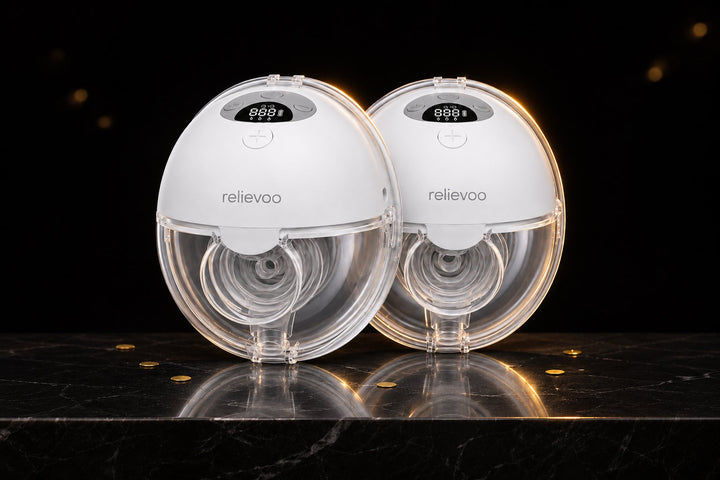
Comfort is about more than just the flange. A pump that fits your life makes a big difference too. The Relievoo M22 PRO2 is a hands-free, in-bra double pump with a gentle massage mode and twelve soft levels. It sits discreetly inside your bra, so you can move around while you pump. Pair it with the All-Size Flange Inserts for a setup that is tailored to your body.
If you are starting out or want to compare options, the Relievoo breast pump collection has a range of wearable pumps to suit different needs. A comfortable pump and a correctly sized insert can make a real difference to how you feel about pumping.
A calm final word
Finding the right flange insert in NZ does not have to be complicated. Measure carefully, start with a size that feels roomy, and adjust as you learn what your body needs. Comfort is the goal, and small changes like a soft silicone insert can make a big difference. If something does not feel right, there is always support available from your midwife, Plunket nurse or a lactation consultant. You are doing a wonderful job, and it is okay to take the time to get it right.
Frequently asked questions
What are flange inserts?
Flange inserts are soft silicone sleeves that sit inside a standard 24mm breast pump shield. They reduce the opening to a smaller size, such as 13mm, 15mm, 17mm or 19mm, so the tunnel fits your nipple more closely. This helps reduce friction and discomfort during pumping.
How do I know which flange insert size I need?
Measure the diameter of your nipple at the base, not the areola, after a short pumping session or a feed. Add about 1 to 3mm to that measurement for the tunnel size. A size guide card is included with the Relievoo inserts to help you check.
Can flange inserts help if pumping hurts?
They can. If your nipple rubs against the sides of the tunnel or feels pinched, a smaller insert may reduce friction and soreness. If pain continues, talk to your LMC midwife, Plunket nurse or a lactation consultant.
Are flange inserts safe to use with any breast pump?
Most inserts are designed for pumps with a standard 24mm shield opening. The Relievoo inserts fit the Relievoo M22 PRO2 and most wearable pumps. Always check the compatibility notes for your pump before using inserts.
How do I clean flange inserts?
Wash them in warm soapy water after each use and rinse well. They are BPA-free and easy to clean. Follow the cleaning advice for your pump and check the current sterilising guidance from Health New Zealand Te Whatu Ora.