Spectra Pump Ireland: Comparing Your Breast Pump Options
Short answer If you are searching for a Spectra pump in Ireland, this guide compares the main types of breast pumps available so you can decide which suits your lifestyle. We look at wearable in-bra pumps, traditional electric pumps with tubing, and manual pumps, and we explain the pros and cons of each.
If you have been searching for a Spectra pump in Ireland, you have probably noticed that there are many types of breast pumps on the market. This guide is for mums who want to compare the main options before making a decision. We look at wearable in-bra pumps, traditional electric pumps with tubing, and manual pumps, and we explain who each one suits best.

Understanding the main types of breast pumps
Before you choose a breast pump in Ireland, it helps to understand the three main categories. Each type has a different design and a different purpose, so the right one for you depends on how often you plan to express, where you will be pumping, and what feels comfortable for your body.
Wearable in-bra breast pumps
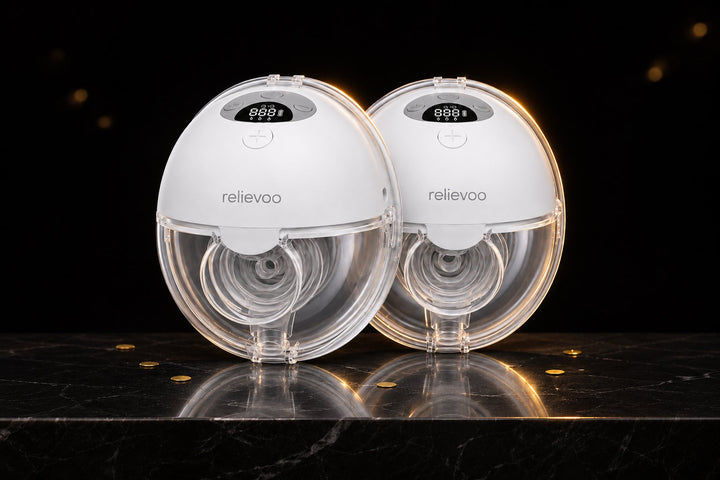
Wearable pumps sit discreetly inside your nursing bra, with no tubes and no wires to the wall. They are designed for hands-free expressing, which makes them a popular choice for mums who want to move around while pumping. Brands such as Momcozy, Elvie and Willow make wearable pumps, and Relievoo also offers its own version. These pumps are generally quiet and easy to use, and many have simple controls on the device itself.
Traditional electric pumps with tubing
Traditional electric pumps have been around for a long time and are what many people picture when they think of a breast pump. They use a motor that connects to the breast shield through tubing, and they usually plug into the wall. Medela and Spectra are well-known brands in this category. These pumps are often used for regular, at-home expressing, and they tend to have a range of suction levels and modes.
Manual breast pumps
A manual pump is a simple, hand-operated device that works without electricity. You create the suction yourself by squeezing a handle or lever. Philips Avent, Tommee Tippee and Lansinoh all make manual pumps. They are lightweight, quiet and inexpensive, but they can be tiring if you are expressing frequently, because you have to do the work yourself.
| Feature | Details |
|---|---|
| Type | Wearable, in-bra, hands-free double electric breast pump (sold as a set of two cups) |
| Modes | 4 — Stimulation, Suction, Massage, Automatic |
| Levels | Up to 12 adjustable levels with intelligent suction & frequency adjustment |
| Controls | On-device LED display + touch buttons (mode, +, −, power), no app, no Bluetooth |
| Materials | BPA-free, food-grade PP and soft medical silicone in the milk path |
Comparing the options: a quick overview
To help you see the differences at a glance, here is a table that compares the three main types of pumps. The Relievoo column uses the details of the Relievoo M22 PRO2, a wearable double pump that is available in Ireland.
| Criterion | Wearable in-bra (Relievoo M22 PRO2) | Traditional electric with tubing | Manual |
|---|---|---|---|
| How it is worn | Discreetly inside your nursing bra, hands-free | Held in place with a hands-free bra or by hand, with tubes to a motor | Held by hand against the breast |
| Mobility | Move around freely while expressing | You are usually tethered to a wall socket | Fully portable, but you need a hand to operate it |
| Modes and levels | 4 modes across up to 12 levels | Typically several modes and adjustable suction levels | Usually one mode, with suction controlled by your hand |
| Noise level | Ultra-quiet motor | Can be audible, depending on the model | Very quiet |
| Ease of use | One-touch controls on the device, no app needed | Requires set-up with tubing and a power source | Simple but can be tiring for frequent use |
| Best for | Busy mums who want to pump while doing other things | Regular at-home expressing sessions | Occasional use, travel or emergencies |
How does a breast pump work?
All breast pumps work on the same basic principle: they use suction to draw milk from your breast into a collection container. Electric pumps do this automatically, with a motor that creates a rhythmic suction pattern. Most electric pumps have a stimulation mode to encourage your let-down, followed by a suction mode for expressing milk.
The Relievoo M22 PRO2 is an example of a wearable pump that offers four modes: Stimulation, Suction, Massage and Automatic. The Automatic mode flows between stimulation and suction for you, across up to 12 levels. There is no app and no Bluetooth, so everything is controlled with the touch buttons on the device itself.
What breast pump should I get?
There is no single answer that suits every mum. The best pump for you depends on your circumstances. If you are returning to work and want to express during the day, a wearable pump might be convenient. If you mostly pump at home in the morning and evening, a traditional electric pump could be a familiar and reliable choice. If you only express occasionally, a manual pump may be enough.
It can help to think about a few questions: How often will you pump? Where will you be when you pump? Do you mind being connected to a wall socket? Do you want to be able to move around? Answering these will narrow down the options. You can also read more about the different styles in our guide on whether wearable breast pumps are worth it.
Why is a breast pump needed?
A breast pump can be helpful for many reasons. You might need to express milk if you are returning to work, if your baby is having trouble latching, or if you want to share feeding with your partner. Some mums pump to relieve engorgement or to build a small stash of milk for times when they are away from their baby. The HSE has practical information on breastfeeding and expressing that is worth reading as you get started.
Should breast pumping hurt?
Pumping should not hurt. If you feel pain or discomfort, it is usually a sign that something needs adjusting. The most common causes are a flange that does not fit properly or a suction level that is too high. It is worth taking the time to find the right flange size for your body, and to start on a lower suction level before increasing it gradually.
If you are unsure about the fit, you can read our step-by-step guide on finding the right flange size for your breast pump. If discomfort continues, it is always a good idea to speak to your public health nurse, midwife or GP.

Considering the Relievoo M22 PRO2
If you like the idea of a wearable pump, the Relievoo M22 PRO2 is one option to consider. It is a hands-free, in-bra double pump that is sold as a set of two cups. It has a massage mode that is designed to help with engorgement and lumps, and the motor is quiet enough to use beside your baby's cot at night. The milk path is made from BPA-free, food-grade PP and soft medical silicone, and the clear collector cup lets you see your milk as it flows.
You can view the full range of breast pumps available from Relievoo to compare the options. The M22 PRO2 is priced at €126.90 and comes with free tracked delivery across Ireland, a 30-day money-back return and a lifetime warranty.
Verdict: who should choose which type of pump?
The right pump is the one that fits your daily life and feels comfortable for you. Here is a clear summary of who each option suits.
- Choose a wearable in-bra pump if you want to express hands-free while you move around, if you plan to pump at work or while caring for older children, or if you value discretion and quiet operation. The Relievoo M22 PRO2 is a good example of this type.
- Choose a traditional electric pump with tubing if you mostly pump at home, if you prefer a pump with a long track record, or if you want a familiar set-up with a motor that sits beside you. Brands such as Medela and Spectra make this type of pump.
- Choose a manual pump if you only express occasionally, if you want something lightweight for travel, or if you need a backup pump in an emergency. Philips Avent, Tommee Tippee and Lansinoh all offer manual options.
Other things to think about
Beyond the type of pump, there are a few practical considerations. If you are returning to work, you might want to read our guide on returning to work while breastfeeding in Ireland. If you are planning to pump at your desk, our step-by-step guide on pumping at work in Ireland has useful tips.
You may also want to think about how you will clean your pump and store your milk. The HSE website has guidance on expressing and storing breast milk, and our article on the best way to clean a breast pump explains the basics. If you are expressing away from home, a protective carrying case can keep your pump and accessories organised, and a cordless bottle warmer can warm expressed milk to feeding temperature when you are out and about.
Final thoughts
Choosing a breast pump in Ireland is a personal decision, and there is no right answer that works for everyone. The best approach is to think about your own routine, your comfort and your goals, and to choose the type of pump that fits those needs. Whether you go for a wearable pump, a traditional electric pump or a manual one, the most important thing is that it works for you and your baby. If you have questions about a specific product, Relievoo customer service is happy to help.
Frequently asked questions
How does a breast pump work?
A breast pump uses suction to draw milk from your breast into a collection bottle or cup. Most electric pumps offer different modes and levels so you can adjust the rhythm and strength to suit you. It is a good idea to read the instructions that come with your pump and to follow the current advice from the HSE on breastfeeding.
What breast pump should I get?
The right pump depends on how often you plan to express and where you will be pumping. A wearable in-bra pump is handy for fitting into a busy day, while a traditional electric pump with tubing is a familiar choice for regular home use. A manual pump can be useful for occasional expressing when you do not have access to electricity.
Why is a breast pump needed?
A breast pump can help you express milk for times when you are away from your baby, such as returning to work, or to relieve engorgement. Many mums also use one to build a small stash of expressed milk. The HSE has practical information on expressing and storing breast milk.
Should breast pumping hurt?
Pumping should not hurt. If you feel pain, it may be that the flange size is not right or the suction level is too high. It is worth checking the fit and lowering the suction, and you can speak to your public health nurse, midwife or GP if discomfort continues.
How long should a breast pump session last?
There is no single answer that suits everyone, as it depends on your baby and your own body. The best approach is to follow the current advice from the HSE or to ask your public health nurse or midwife. You can also read the guidance that comes with your pump for a starting point.