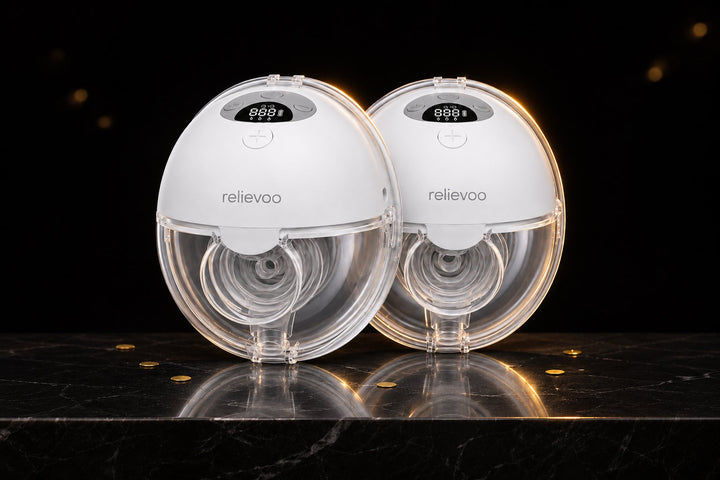
Wearable Breast Pump for Large Breasts: What to Look For
Short answer A wearable breast pump for large breasts needs a secure in-bra fit, a shape that follows your natural curve, and enough support to stay in place through a session. Look for a lightweight, hands-free design with adjustable suction levels and a quiet motor. Try it at home first to check comfort and positioning.
Finding a wearable breast pump for large breasts that actually stays put and feels comfortable can take some trial and error. This guide is for moms with a fuller bust who want the freedom of hands-free pumping without sacrificing fit, support, or comfort. We will walk through what matters most when choosing a pump, what to check before you buy, and how to tell if a design will work for your body.

Why Fit Matters More When You Have a Larger Bust
Wearable pumps are designed to sit inside your nursing bra, which means they rely on your bra for support and positioning. With a larger chest, the weight of the pump cup adds to what your bra already holds, so a secure fit becomes even more important. A pump that shifts, tilts, or feels heavy can cause discomfort and make a session frustrating.
Comfort is not just about how the cup feels against your skin. It is also about how the pump distributes its weight across your chest. A well-designed cup follows the natural curve of your breast and sits upright without pulling on sensitive tissue. If you are unsure where to start, the step-by-step guide to using a wearable breast pump offers a good foundation for positioning and getting the hang of your first sessions.
What to Look for in the Cup Shape
The shape of the pump cup matters more than many moms realize. A cup that is too shallow or too rigid can feel like it is pressing into your chest. Look for a cup with a smooth, curved interior that sits comfortably against your breast tissue. A clear collector is also helpful because it lets you see your milk flow and confirm the cup is positioned correctly.
| Feature | Details |
|---|---|
| Type | Wearable, in-bra, hands-free double electric breast pump (sold as a set of two cups) |
| Modes | 4 — Stimulation, Suction, Massage, Automatic |
| Levels | Up to 12 adjustable levels with intelligent suction & frequency adjustment |
| Controls | On-device LED display + touch buttons (mode, +, −, power), no app, no Bluetooth |
| Materials | BPA-free, food-grade PP and soft medical silicone in the milk path |
Key Features to Consider in a Wearable Pump for Larger Breasts
Not all wearable pumps are created equal, and a few specific features make a real difference for moms with a larger bust. Here is what to prioritize as you compare options.
Secure In-Bra Positioning
The pump should sit upright and stay in place without you having to hold it. This is the whole point of a hands-free pump. Check that the cup is designed to be worn upright in-bra and that it does not require a special bra or extra straps. A spill-resistant fit is a plus, especially if you are moving around while you pump.
Adjustable Suction Levels and Modes
Every mom responds differently to suction, and your needs can change from session to session. Look for a pump with multiple modes and a range of levels so you can dial in what feels right. A stimulation mode helps encourage let-down, while a deeper suction mode mimics a baby's natural suckling. Some pumps also include a massage mode, which can be especially soothing if you feel engorged or tender.
Noise Level
If you plan to pump at work, on a call, or beside your baby at night, noise matters. A quiet motor lets you pump without drawing attention or waking a sleeping baby. Look for pumps described as low-noise or ultra-quiet, and read how other moms describe the sound in real-life settings.
Weight and Portability
A wearable pump should feel light enough that you forget you are wearing it. Heavier cups can pull on your bra and cause neck or shoulder strain over time. Consider how the pump feels when full, not just when empty. A palm-sized cup with a simple design is easier to balance inside a bra.
Easy Cleaning and Maintenance
You will be cleaning your pump parts often, so look for a design that is simple to take apart and put back together. Fewer pieces mean less hassle. Check what materials touch your milk and whether they are BPA-free and food-grade. For guidance on cleaning and storage, the CDC breastfeeding page is a reliable place to review current recommendations.
How to Test a Pump for Your Body
Before committing to a pump, think about how it will feel during a real session. Here is an honest checklist to run through, either at home or when comparing options online.
- Does the cup sit upright and stay in place without you holding it?
- Does the pump feel balanced inside your bra, or does it pull or tilt?
- Are the controls easy to reach and use one-handed?
- Can you adjust the suction level without stopping the session?
- Is the motor quiet enough for the places you plan to pump?
- Are the milk-path parts BPA-free and easy to clean?
- Does the cup follow your natural shape without pressing into tender areas?
- Can you see your milk flow through the collector?
- Is the pump light enough to wear for a full session comfortably?
- Does the battery last through your typical pumping routine?
Comparing Your Options: A Simple Criteria Table
When you are comparing wearable pumps, it helps to look at the same criteria across different models. Here is a quick reference for what to check and why it matters.
| Criterion | Why It Matters | What to Check |
|---|---|---|
| Fit and positioning | A pump that shifts or tilts can cause discomfort and reduce efficiency. | Look for an upright, in-bra design that stays put without extra straps. |
| Weight | Heavier cups can strain your neck, shoulders, and bra. | Check the cup size and read how moms describe the feel when full. |
| Suction levels | Your comfort needs can change from session to session. | Look for multiple modes and a range of gentle levels. |
| Noise | A loud motor can be disruptive at work or beside a sleeping baby. | Look for low-noise or ultra-quiet descriptions. |
| Cleaning | Simple cleaning means less time and fewer parts to manage. | Check how many pieces the pump has and what materials touch your milk. |
| Portability | A wearable pump should be easy to take anywhere. | Look for a compact, palm-sized design with no tubes or wall cords. |
| Support | Your bra does the heavy lifting, so the pump should work with it. | Check that the cup fits comfortably inside a standard nursing bra. |

What to Know About Comfort and Support
Comfort during pumping is about more than the cup itself. It is also about how the pump interacts with your bra and your body. A good nursing bra provides the support, while the pump should feel like a natural extension of it. If you feel like you are constantly adjusting the cup or holding it in place, that is a sign the fit is not right for you.
Some moms find that a massage mode helps ease the tight, tender feeling that can come with engorgement. This can be a thoughtful feature to look for, especially in the early weeks. The ACOG breastfeeding FAQ is a helpful resource for general guidance on managing common breastfeeding challenges.
Who a Comfort-Focused Wearable Pump Suits Best
A comfort-led wearable pump with a dedicated massage mode is a strong choice for moms who want a gentle, discreet option that fits easily into daily life. It suits moms who pump a few times a day, need something quiet for nighttime sessions, or want a pump that does not require an app or phone to operate. The Relievoo Serenity™ Wearable Breast Pump M22 PRO2 is designed around exactly these priorities: a hands-free, in-bra fit, four modes including a soothing massage setting, twelve gentle levels, and an ultra-quiet motor. It is a thoughtful option for moms who value comfort and calm in their pumping routine.
If you are still comparing, the Relievoo breast pump collection offers a range of wearable designs, so you can look at different features side by side. For more help with the basics, the HealthyChildren.org breastfeeding section from the American Academy of Pediatrics is a reliable place to read more about breastfeeding and pumping.
Final Thoughts
Choosing a wearable breast pump for large breasts comes down to fit, comfort, and how the pump feels in your everyday life. Take the time to check the cup shape, the weight, the noise level, and how easy it is to clean. A pump that sits securely, feels gentle, and lets you move freely will make pumping a much calmer part of your day. If you have questions about a specific product, Relievoo customer service can help you find the right fit.
Frequently asked questions
What is the best wearable breast pump for large breasts?
The best wearable breast pump for large breasts is one that fits securely inside your nursing bra, stays in place through a session, and feels comfortable against your chest. Look for a lightweight, hands-free design with adjustable suction levels and a shape that follows your natural curve. Try it at home first to see how it sits and whether it feels stable.
Do wearable breast pumps work for large breasts?
Yes, wearable breast pumps can work well for large breasts when the cup fits properly and the bra provides enough support. The key is finding a pump that sits upright, stays put, and does not put pressure on tender areas. A massage mode can also help with comfort during a session.
How does a breast pump work?
A breast pump uses gentle suction to draw milk from the breast, mimicking the rhythm of a nursing baby. Most wearable pumps offer a stimulation mode to encourage let-down, then switch to a deeper suction rhythm for expression. The milk collects in a cup that sits inside your bra.
Why is my breast pump not working?
A breast pump may not work well if the cup is not positioned correctly, the flange does not fit, or the seal is not tight. Check that the cup sits upright and centered, and that the bra holds it firmly in place. If suction feels weak, try a different level or mode.
Is breast pumping supposed to hurt?
No, breast pumping should not hurt. Some gentle tugging is normal, but sharp pain or pinching usually means the fit is off or the suction is too high. Try lowering the level, adjusting the cup position, or using a massage mode to ease discomfort. If pain continues, talk to a lactation consultant or your healthcare provider.