Wearable Breast Pump vs Regular: How to Choose
Short answer A wearable breast pump is a hands-free, in-bra pump that lets you move around while expressing, while a regular pump connects to flanges and bottles and typically keeps you seated near a wall outlet. The right choice depends on how often you pump, where you pump, and how much you value mobility and discretion over a more traditional setup.
Choosing between a wearable breast pump vs regular pump is one of the first big decisions you will make as a pumping mom. This guide is for moms who want a clear, honest comparison of the two styles, so you can pick the one that fits your body, your schedule, and your comfort. We will walk through how each type works, what matters most when choosing, and who each option suits best.

What is the difference between a wearable breast pump and a regular pump?
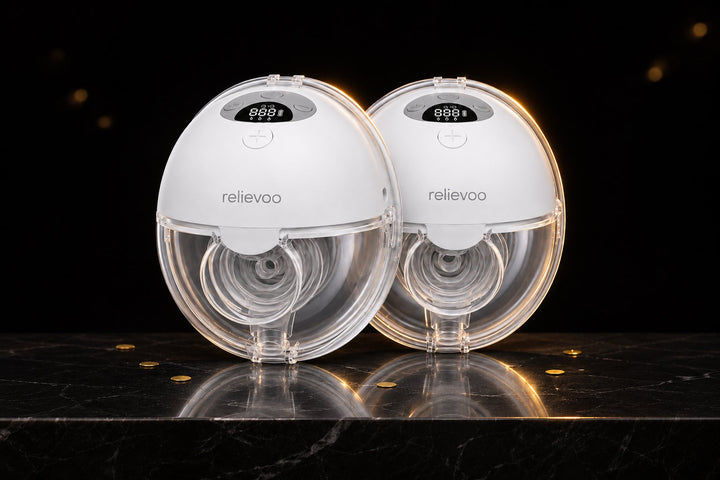
A wearable breast pump is a hands-free, in-bra device that sits discreetly inside your nursing bra. It has no tubes, no wires to the wall, and no dangling bottles. You slip it in, turn it on, and go about your day. A regular breast pump, by contrast, is a more traditional setup: it connects to flanges and bottles, and you typically sit near an outlet while pumping. Both styles do the same basic job, but they feel very different in daily life.
The main difference comes down to mobility and discretion. A wearable pump lets you move, work, or care for your baby while expressing. A regular pump keeps you in one place, but it often offers a more familiar, traditional pumping experience. There is no right or wrong answer, only what works best for your routine.
| Feature | Details |
|---|---|
| Type | Wearable, in-bra, hands-free double electric breast pump (sold as a set of two cups) |
| Modes | 4 — Stimulation, Suction, Massage, Automatic |
| Levels | Up to 12 adjustable levels with intelligent suction & frequency adjustment |
| Controls | On-device LED display + touch buttons (mode, +, −, power), no app, no Bluetooth |
| Materials | BPA-free, food-grade PP and soft medical silicone in the milk path |
What matters when choosing a breast pump
Before you decide between a wearable and a regular pump, it helps to think through a few key factors. These are the things that will shape your daily comfort and how practical each style feels for you.
Comfort and fit
Comfort starts with the flange, the part that sits against your breast. A flange that is too small or too large can cause discomfort and reduce your output. For a detailed look at finding the right size, our guide on breast pump flanges walks through the basics. Wearable pumps are worn inside your bra, so the fit of the cup matters just as much as the flange. A good fit should feel secure but not tight, and it should not pinch or dig into your skin.
If you have larger breasts, you may want to check our article on wearable breast pumps for large breasts to see what to look for in a cup that stays in place comfortably.
How it is worn
Wearable pumps are designed to be worn inside your bra, which means they are completely hands-free. You can fold laundry, type on a laptop, or hold your baby while you pump. Regular pumps require you to sit still, hold the flanges in place, and stay near the pump itself. If you are someone who likes to multitask, a wearable pump will feel more natural. If you prefer a dedicated pumping session where you sit and relax, a regular pump may suit you better.
Noise level
Noise matters more than most moms expect. A loud pump can feel awkward in an office, stressful in a shared living space, and disruptive next to a sleeping baby. Wearable pumps are generally quieter because the motor is small and tucked inside your bra. The Relievoo M22 PRO2, for example, is described as having an ultra-quiet motor that is soft enough to wear on a work call or beside your baby's cot at night. Regular pumps tend to be louder, though some are quieter than others. If discretion is important to you, noise level should be high on your checklist.
Cleaning and maintenance
Every pump needs to be cleaned after each use, and the number of parts makes a big difference. Wearable pumps often have fewer parts and no tubes, which makes cleaning simpler and faster. Regular pumps can have more pieces, including tubes and valves that need extra attention. For the latest guidance on cleaning and storing breast pump parts, the CDC offers practical information that is worth reviewing.
Portability
If you pump at work, while traveling, or in different rooms of the house, portability matters. A wearable pump fits in your bra and can be packed in a small bag. A regular pump is bulkier and usually needs to stay in one place. Some moms keep a regular pump at home and use a wearable pump for outings. Others find that a wearable pump alone covers all their needs.
Support and reliability
Think about what kind of support you want if something goes wrong. A good warranty and responsive customer service can make a big difference. Relievoo offers a lifetime warranty on its pumps, which is worth keeping in mind. Whatever you choose, check the warranty and return policy before you buy, so you know what to expect.
Wearable breast pump vs regular: a side-by-side comparison
To make the choice easier, here is a simple table that lays out the main criteria side by side.
| Criterion | Why it matters | What to check |
|---|---|---|
| Comfort and fit | A good fit prevents discomfort and helps you pump consistently. | Flange size, cup shape, and how the pump sits in your bra. |
| How it is worn | Determines whether you can move around while pumping. | Hands-free design, in-bra wear, and whether it stays secure. |
| Noise level | Affects discretion at work, at home, and near a sleeping baby. | Motor volume and how noticeable it is in a quiet room. |
| Cleaning | Fewer parts means faster, easier cleaning after every session. | Number of pieces, presence of tubes, and dishwasher safety. |
| Portability | Matters if you pump away from home or in different rooms. | Size, weight, and whether it fits in a small bag. |
| Support | Good support gives you peace of mind if something needs fixing. | Warranty length, return policy, and customer service options. |
How a breast pump works
Understanding how a breast pump works can help you feel more confident no matter which style you choose. A pump uses suction to gently draw milk from your breast, mimicking the rhythm of a nursing baby. Most pumps offer different modes, such as stimulation to encourage let-down and suction for fuller expression. The milk then collects in a bottle or container attached to the flange, or in the cup of a wearable pump.
For a deeper look at how to use a wearable pump step by step, our guide on how to use a wearable breast pump covers the basics clearly. And if you are building a pumping routine, our article on exclusive pumping schedules offers a practical starting point.
Should breast pumping hurt?
No, pumping should not hurt. Some sensation is normal, especially in the first few minutes, but sharp pain or discomfort is a sign that something needs adjusting. Check your flange fit, try a gentler suction level, and consider a massage mode if your pump has one. If pain continues, talk to your OB-GYN, a lactation consultant, or your healthcare provider. The American College of Obstetricians and Gynecologists has helpful information on breastfeeding and pumping that you can review.
Can you pump before the baby is born?
In most cases, pumping before your baby arrives is not recommended unless your healthcare provider advises it for a specific reason. Your body begins producing colostrum in late pregnancy, but expressing it early can sometimes trigger labor. If you are curious about pumping before birth, talk to your OB-GYN first. The Office on Women's Health offers general guidance on breastfeeding that can help you prepare.
Who should choose a wearable breast pump
A wearable breast pump is a great fit if you value mobility, discretion, and simplicity. It suits moms who pump at work, travel often, or need their hands free to care for older children. It is also a good choice if you want a quieter pump that does not draw attention, especially if you pump in shared spaces or next to a sleeping baby.
The Relievoo M22 PRO2 is an example of a wearable pump built around comfort. It offers four modes across twelve gentle levels, including a dedicated massage mode for engorgement and tenderness. It is worn upright in-bra, has no tubes or wires, and uses an ultra-quiet motor. Every part that touches your milk is BPA-free, food-grade PP, and soft medical silicone. It also has a clear collector cup so you can see your flow at a glance.

Who should choose a regular pump
A regular pump may be the better choice if you prefer a more traditional pumping experience and do not mind being seated for each session. It can also be a good option if you want a larger milk collection capacity and are comfortable with a setup that stays in one place. Some moms use a regular pump as their main pump and add a wearable one for outings. If you are not sure which style suits you, our wearable breast pump comparison chart can help you weigh the options.
Who it suits: a quick summary
Here is a simple way to think about it. Choose a wearable pump if you want hands-free pumping, quiet operation, and the freedom to move around. Choose a regular pump if you prefer a traditional setup and do not mind sitting still for each session. Many moms find that a combination of both works best, depending on the day.
Whichever you lean toward, take your time and consider your own routine first. And if you want to explore more options, the full breast pump collection at Relievoo is a good place to start.
A calm final thought
There is no single best pump for every mom. The right choice depends on your body, your schedule, and what feels comfortable for you. Whether you choose a wearable pump, a regular pump, or a mix of both, the goal is the same: to make pumping feel manageable and gentle. Trust your instincts, ask for help when you need it, and remember that you are doing a wonderful thing for your baby.
Frequently asked questions
Are wearable breast pumps worth it?
For many moms, yes, because they allow hands-free pumping while you move around, work, or care for your baby. They are quieter and more discreet than traditional pumps, which makes them easier to use in shared spaces. Whether they are worth it depends on how often you pump and how much you value mobility.
Do wearable breast pumps work as well as regular pumps?
Wearable pumps can be effective for many moms, but they are not identical to traditional pumps in every way. They tend to be gentler and quieter, which some moms find more comfortable. The best approach is to try a pump and see how your body responds, since comfort and output vary from person to person.
How does a breast pump work?
A breast pump uses suction to gently draw milk from the breast, mimicking the rhythm of a nursing baby. Most pumps offer different modes, such as stimulation to encourage let-down and suction for fuller expression. The milk collects in a bottle or container attached to the flange or, in wearable models, in a cup inside your bra.
Should I get a wearable breast pump or a regular one?
Think about where and how you pump. If you are often on the move, need your hands free, or want to pump discreetly, a wearable pump may suit you better. If you prefer a more traditional setup with a larger milk collection capacity and don't mind being seated, a regular pump could be a good fit.
How long should a breast pump session last?
There is no single answer that fits everyone, and the right length depends on your body and your baby's needs. Most moms find that a session feels complete when the flow slows down and the breast feels softer. For current guidance on pumping routines, follow the advice of trusted health organizations like the CDC or the Office on Women's Health.