Pumping at Work Essentials: A Practical Guide
Short answer Pumping at work essentials include your breast pump, flanges that fit well, storage bags or bottles, a cooler bag, cleaning wipes, and a hands-free bra. Plan your pump sessions around your work schedule, and know that federal law protects your right to pump at work. A wearable pump can make the process easier, but the right supplies and a calm routine matter most.
Pumping at work essentials are the items and habits that help you keep your milk supply steady while you are away from your baby. This guide is for moms who are returning to work, starting a new job, or simply looking for a smoother routine. With a little planning, pumping at work can become a calm and manageable part of your day.

What to bring to pump at work
Having the right gear makes a big difference. Start with the basics, then add what makes you comfortable. Here is a practical list of pumping at work necessities.
Your breast pump and parts
Your pump is the centerpiece of your routine. Whether you use a traditional electric pump or a wearable option, make sure you have clean flanges, valves, and collection bottles or cups. Check that everything is assembled before you head out the door. A quick test at home can save you from a frustrating moment in the office.
Milk storage and cooling
You will need bottles or storage bags for the milk you collect. A small cooler bag with ice packs keeps your milk cold until you get home. Label each container with the date and time, especially if you pump more than once during the workday. For current guidance on storing breast milk, the CDC is a reliable source.
Comfort and cleaning supplies
A hands-free pumping bra lets you use your hands for other tasks, like reading or typing. Keep a small towel or cloth nearby for spills. Pump part wipes are helpful for cleaning between sessions, and a bottle brush or rinse bag can be useful if you have access to a sink. A spare set of flanges is a smart backup if you forget to wash your main set.
| Feature | Details |
|---|---|
| Type | Wearable, in-bra, hands-free double electric breast pump (sold as a set of two cups) |
| Modes | 4 — Stimulation, Suction, Massage, Automatic |
| Levels | Up to 12 adjustable levels with intelligent suction & frequency adjustment |
| Controls | On-device LED display + touch buttons, no app, no Bluetooth |
| Materials | BPA-free, food-grade PP and soft medical silicone in the milk path |
| Noise | Ultra-quiet motor, tuned for calm night sessions |
How to plan your pumping schedule at work
A consistent schedule helps your body know when to expect a pumping session. Look at your work calendar and find times that align with your baby's feeding routine. Many moms pump around the same times they would normally nurse, such as mid-morning, after lunch, and late afternoon.
Talk to your employer before your first day
Before you return, speak with your manager or human resources about where you can pump and when. Federal law provides break time and a private space for pumping at work for many employees. The Office on Women's Health offers practical information on your rights and how to prepare for this conversation. Knowing your space and schedule in advance reduces stress on your first day.
Set up your pumping space
Your pumping area should be private, clean, and comfortable. Bring a small bag with everything you need so you do not have to search for supplies each time. If your space has a chair and a table, that helps. If not, a small lap desk or a sturdy tray can work. Some moms bring a photo of their baby or a familiar blanket to help with let-down.
Step-by-step guide to pumping at work
Once you have your supplies and your schedule, follow these steps to make each session go smoothly.
- Prepare your space. Find your private area, wash your hands, and set out your pump, flanges, and storage containers. If you use a wearable pump, make sure the cups are clean and the battery is charged.
- Get comfortable. Put on your hands-free bra if you use one, and position your flanges or wearable cups. Take a few slow breaths to relax. Stress can make let-down harder, so give yourself a moment to settle.
- Start with a gentle mode. Begin with stimulation mode to encourage let-down, then switch to a suction mode once your milk starts to flow. Many pumps, including the Relievoo M22 PRO2, offer automatic mode that moves between the two for you.
- Pump for a comfortable amount of time. The right length depends on your body and your baby's needs. Follow the current advice from the American Academy of Pediatrics or your lactation consultant. Stop when your breasts feel soft and your flow has slowed.
- Store your milk. Pour the milk into your storage bottles or bags, label them, and place them in your cooler bag. If you pump again later, use a fresh container.
- Clean up. Rinse or wipe your pump parts according to the manufacturer's instructions. If you have a second set of flanges, you can use those for your next session and wash the first set at home.
- Track your output. A simple note in your phone can help you see patterns. If your output drops, you may need to adjust your schedule, your flange fit, or your hydration. Talk to a lactation consultant if you have concerns.
Common mistakes to avoid when pumping at work
Even with a good plan, small missteps can make pumping harder. Here are a few common ones and how to avoid them.
Using flanges that do not fit
Flange fit is one of the most common causes of discomfort and low output. A flange that is too small can pinch, and one that is too large can pull in too much breast tissue. If pumping feels painful or your output drops, check your fit. Our guide on breast pump flanges can help you find the right size.
Skipping sessions because you are busy
It is tempting to push a pumping session back or skip it entirely when a meeting runs long. But your body responds to consistency. If you skip too often, your supply may dip. Try to protect your pumping time the same way you would protect an important meeting. If you must shift a session, do it gradually rather than dropping it altogether.
Forgetting to charge your pump
A dead battery can derail your whole day. If you use a wearable pump, charge it the night before and pack it in your bag. Keep a charger at your desk as a backup. The Relievoo M22 PRO2 has a simple USB charging base, so topping up is easy.
Not having a backup plan
Pump parts can break, bags can leak, and schedules can change. Keep a spare set of flanges and an extra storage bag in your desk drawer. If your pump stops working, a manual pump or a spare electric pump can get you through the day.
How a wearable pump fits into your workday
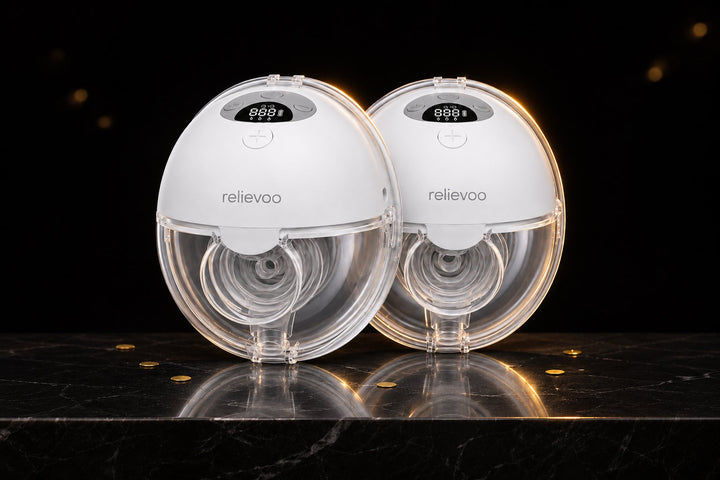
Wearable pumps have become a popular choice for working moms because they sit inside your bra and do not require tubes or a wall outlet. That means you can move around, type, or even join a call while you pump. The Relievoo M22 PRO2 is a hands-free, in-bra double pump with four modes and twelve gentle levels. It has a massage mode for comfort, an ultra-quiet motor, and a clear collector cup so you can see your milk as it flows. It is one helpful option, not the answer to everything. Some moms prefer a traditional pump for their main sessions and a wearable for backup or travel.
If you are curious about how wearable pumps compare to traditional ones, our article on wearable breast pump vs regular explains the differences. You can also browse the full range of Relievoo breast pumps to see what fits your routine.

Building a sustainable pumping routine
Pumping at work is not just about the gear. It is about building a routine that feels sustainable for months, not just weeks. Give yourself grace in the first few weeks as you figure out what works. Your output may vary from day to day, and that is normal.
Take care of yourself
Stay hydrated and eat regular snacks. Pumping takes energy, and your body needs fuel. If you feel engorged or uncomfortable, a warm compress or a gentle massage can help. If you experience pain, redness, or a hard lump, talk to your healthcare provider or a lactation consultant. They can help you figure out what is going on.
Know your rights and your options
Understanding your rights at work can reduce stress. The American College of Obstetricians and Gynecologists and the La Leche League USA both offer resources for breastfeeding and pumping moms. If you have questions about your specific workplace, your human resources department is a good place to start.
Summary table: pumping at work checklist
| Step | What to do | Key item |
|---|---|---|
| Prepare | Charge your pump and pack your bag the night before | Breast pump, flanges, storage containers |
| Communicate | Confirm your pumping space and schedule with your employer | Private room, chair, table |
| Pump | Use a gentle mode first, then switch to suction | Hands-free bra, towel |
| Store | Label and cool your milk right away | Cooler bag, ice packs, labels |
| Clean | Rinse or wipe parts between sessions | Pump wipes, spare flanges |
| Track | Note your output and adjust as needed | Phone or notebook |
Final thoughts
Pumping at work takes practice, but it gets easier. Start with the essentials, build a schedule that works for you, and give yourself time to adjust. You do not need to have everything perfect. A calm routine, the right supplies, and a little patience will carry you through. If you have questions about a specific product, Relievoo customer service is happy to help.
Frequently asked questions
What do I need to pump at work?
The basics include your breast pump, flanges that fit properly, milk storage bottles or bags, a cooler bag with ice packs, and cleaning wipes for pump parts. A hands-free bra and a small towel can also make sessions more comfortable. A wearable pump can reduce the amount of gear you need to carry.
Is pumping at work protected?
Yes, federal law provides break time and a private space for pumping at work for many employees. The Office on Women's Health offers guidance on your rights and how to talk with your employer. If you have questions about your specific situation, your human resources department can help.
How long should a pumping session be at work?
Most pumping sessions last about 15 to 20 minutes, but the right length depends on your body and your baby's needs. It is best to follow the current advice from the CDC or the American Academy of Pediatrics. Pay attention to how your body responds and adjust as needed.
Why does pumping hurt sometimes?
Pain during pumping is often related to flange fit or suction level. A flange that is too small or too large can cause discomfort, and very high suction can also be painful. Check your flange fit and try a gentler level. If pain continues, talk to a lactation consultant or your healthcare provider.
Which pumping session should I drop first?
Many moms find it easiest to drop the session that is least convenient or that produces the least milk. It is often the one that falls at the busiest time of the workday. Go slowly and watch your supply. If you have concerns, a lactation consultant can offer personalized guidance.