Storing Breast Milk HSE: A Practical Guide for Irish Mums
Short answer Storing breast milk safely means using clean containers, labelling each batch with the date, and following current HSE guidance on fridge and freezer times. Cool freshly expressed milk quickly, store it in the back of the fridge rather than the door, and thaw frozen milk in the fridge. Always check the latest advice from the HSE for up-to-date storage times.
Storing breast milk safely is a common worry for mums who are expressing, whether you are heading back to work, building a small freezer stash, or simply want your partner to give a bottle now and then. This guide is for anyone in Ireland looking for clear, practical steps on how to store expressed milk, with a focus on the current guidance from the HSE. We will walk you through the process from start to finish, covering containers, fridge and freezer storage, and the everyday mistakes that are easy to make without realising.

Why Safe Breast Milk Storage Matters
Expressed breast milk is a living food, full of antibodies and nutrients that are tailored for your baby. Because it is not pasteurised, it can spoil or grow bacteria if it is not handled and stored correctly. Getting the basics right means your baby gets the full benefit of your milk, and you can feel confident that what you are offering is fresh and safe. The HSE has a dedicated section on breastfeeding and expressing, and it is always a good idea to read their latest advice, as recommendations are reviewed regularly.
| Feature | Details |
|---|---|
| Material | 100% food-grade silicone, BPA, PVC & phthalate-free |
| Capacity | 180ml / 6oz per bag |
| Closure | Leak-proof double-seal zipper |
| Safe for | Freezer, fridge & microwave safe |
| Cleaning | Dishwasher safe, top rack |
| Reusable | Replaces 1,000+ disposable bags |
Step-by-Step Guide to Storing Breast Milk
Following a simple routine makes storing breast milk feel less daunting. Here is a clear, practical sequence you can use every time you express.
- Start with clean hands and clean equipment. Wash your hands thoroughly with soap and water. Make sure your breast pump and all containers are clean and dry. The HSE offers detailed advice on cleaning feeding equipment, and you can also read our guide on the best way to clean a breast pump.
- Choose the right container. You can use sterilised bottles with tight-fitting lids or purpose-made breast milk storage bags. If you are using bags, choose ones that are designed for breast milk, are leak-proof and are freezer-safe. Reusable silicone bags are a good option if you want to reduce single-use plastic.
- Label before you store. Write the date on the container or bag before you put it in the fridge or freezer. If you are storing milk from different pumping sessions, it is helpful to label each one clearly. Some mums also note the time of day, as milk expressed in the morning can differ slightly from evening milk.
- Cool milk quickly. Freshly expressed milk can go straight into the fridge or a cool box. Do not leave it at room temperature for long. If you are adding freshly expressed milk to a container of already chilled milk, cool the new milk in the fridge first before combining it, to keep the whole batch at a safe temperature.
- Store in the right place. In the fridge, place milk at the back, where the temperature is most consistent, rather than in the door. In the freezer, place bags flat to freeze, which makes them easier to stack and thaw later.
- Thaw safely. The best way to thaw frozen milk is in the fridge, usually overnight. You can also hold the container under lukewarm running water. Never use a microwave, as it can create hot spots that burn your baby and destroy some of the beneficial properties of the milk.
- Use within the recommended time. Always check the current HSE guidance for how long breast milk can be kept in the fridge or freezer. Their advice is the most reliable source for Irish mums, and it is updated as new research becomes available.
How Long Can Breast Milk Be Stored?
This is the most common question, and the answer depends on where you are storing the milk. The HSE provides clear guidelines on storage times for freshly expressed milk at room temperature, in the fridge and in the freezer. It is always best to follow their current recommendations, as they are based on the latest evidence. As a general rule, the fridge is fine for a few days, and the freezer for a few months, but do check the HSE website for the exact figures.
What Containers Are Best for Storing Breast Milk?
You have two main choices: hard-sided containers like bottles, or soft-sided bags. Bottles are sturdy and reusable, and they are easy to clean. Bags are great for saving space in the freezer and are handy for building a stash. If you choose bags, look for ones that are food-grade, leak-proof and freezer-safe. The Relievoo Reusable Silicone Breast Milk Storage Bags are a practical option. They are made from food-grade silicone, hold 180ml or 6oz, and are designed to last for thousands of uses, which means you are not constantly buying disposable bags.
Common Mistakes to Avoid When Storing Breast Milk
Even experienced mums can make small errors. Here are the most common ones and how to avoid them.
- Storing milk in the fridge door. The temperature in the door fluctuates every time you open it. Store milk at the back of the fridge instead.
- Adding warm milk to cold milk. This can raise the temperature of the whole batch. Cool freshly expressed milk in the fridge before combining it with already chilled milk.
- Using the microwave to thaw or warm milk. This can create hot spots and destroy nutrients. Always thaw in the fridge or in lukewarm water.
- Refreezing thawed milk. Once milk has been thawed, it should not be refrozen. Use it within the time frame recommended by the HSE.
- Overfilling storage bags. Milk expands as it freezes, so leave a little room at the top of the bag to prevent it from bursting.
- Not labelling clearly. It is easy to forget when you expressed a particular batch. Always label with the date before storing.
Can You Mix Breast Milk from Different Pumping Sessions?
Yes, you can combine milk from different sessions, but it is important to do it safely. Cool the freshly expressed milk in the fridge first, then add it to the already chilled milk. This helps keep the entire batch at a safe temperature. Always follow the HSE guidance on combining milk, and label the container with the date of the oldest milk in the mix.
What About Storing Milk When You Are Out and About?
If you are expressing while out or at work, a small cool bag with an ice pack is a good investment. Express directly into a clean bottle or bag, then place it in the cool bag straight away. When you get home, transfer it to the fridge or freezer. If you are heading back to work, our guide on pumping at work in Ireland has more detailed advice on managing your routine.
A Quick Reference Table for Storing Breast Milk
Here is a simple summary of the key steps to keep on your fridge door or save on your phone.
| Step | What to Do | Key Check |
|---|---|---|
| 1. Prepare | Wash hands and clean equipment | Everything is dry and sterilised |
| 2. Container | Use a sterilised bottle or storage bag | Leak-proof and freezer-safe |
| 3. Label | Write the date on the container | Clear and readable |
| 4. Cool | Chill freshly expressed milk quickly | Place at the back of the fridge |
| 5. Store | Fridge or freezer, depending on when you need it | Check HSE guidance for times |
| 6. Thaw | In the fridge or in lukewarm water | Never use a microwave |
| 7. Use | Within the recommended time | Do not refreeze thawed milk |

Choosing a Breast Pump for Easy Expressing
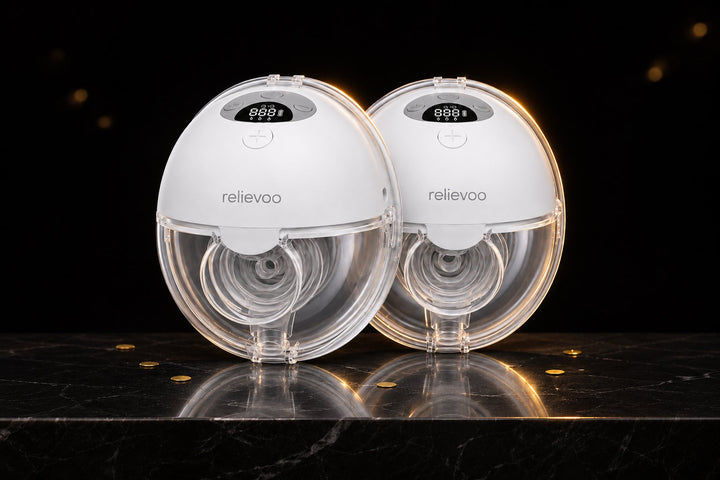
Having a comfortable, efficient pump can make expressing and storing milk much easier. If you are just starting out, it is worth thinking about what kind of pump suits your lifestyle. A hands-free pump can be particularly helpful if you want to express while doing other things. The Relievoo M22 PRO2 wearable breast pump is a gentle, in-bra double pump with no tubes or wires, which makes it discreet and convenient. It offers four modes across twelve levels, so you can find a comfortable setting. If you are not sure what to look for, our comparison of the best wearable breast pumps and our guide to breast pumps for first-time mums can help you decide. You can also browse the full range of breast pumps to see what is available.
How Does a Breast Pump Work?
A breast pump works by creating a gentle suction that mimics a baby's sucking pattern. Most pumps have a stimulation mode to encourage your let-down, followed by a suction mode to express milk. Wearable pumps like the M22 PRO2 sit inside your bra, so you can move around freely while expressing. There is no need to be tethered to a wall socket, which can make a big difference to your comfort and convenience.
Why Would You Need a Breast Pump?
There are many reasons to use a breast pump. You might be returning to work, you might want your partner to help with night feeds, or you might be building a freezer stash. Some mums pump to relieve engorgement or to manage a low supply, although it is always best to speak to your midwife, public health nurse or a lactation consultant if you have concerns about your milk supply. Organisations like Cuidiú and La Leche League of Ireland offer support and information for breastfeeding mums.
Final Thoughts on Storing Breast Milk
Storing breast milk safely does not have to be complicated. With a clean routine, the right containers and a clear labelling system, you can build a stash with confidence. Always check the latest HSE guidance for storage times, and do not hesitate to reach out to your public health nurse or a local breastfeeding support group if you have any worries. Every drop of expressed milk is a gift for your baby, and getting the storage right helps you make the most of it.
Frequently asked questions
How long can breast milk be stored in the fridge?
The HSE provides current guidance on how long expressed breast milk can be kept in the fridge. In general, freshly expressed milk can be stored in the back of the fridge for a few days, but it is always best to check the latest HSE advice, as recommendations can change. Always label your milk with the date you expressed it.
Can you mix freshly expressed milk with already stored milk?
It is generally advised to cool freshly expressed milk in the fridge before adding it to a container of already chilled milk. This helps keep the entire batch at a safe temperature. Always follow the current HSE guidance on combining batches of breast milk.
How do you thaw frozen breast milk safely?
The safest way to thaw frozen breast milk is in the fridge, usually overnight. You can also use a bowl of warm water. Never thaw breast milk in boiling water or in the microwave, as this can create hot spots and destroy nutrients. Once thawed, use it within the time frame recommended by the HSE.
How should you clean breast milk storage bags?
Reusable silicone bags can be washed in warm, soapy water or on the top rack of a dishwasher. Make sure they are completely dry before storing them. Always follow the manufacturer's instructions and the HSE's cleaning guidance for all feeding equipment.
Is it safe to store breast milk in a bottle with a teat?
It is generally recommended to store breast milk in a sealed container, but storing it with a teat attached is not ideal, as the teat can be a source of bacteria. It is better to store milk in a dedicated storage bag or a sealed bottle and attach the teat only at feeding time.