Wearable Breast Pumps UK: A Buying Guide
Short answer Wearable breast pumps in the UK are hands-free, in-bra electric pumps that let you express milk without being tethered to a wall socket. The best choice for you depends on comfort, noise level, fit, ease of cleaning and how you plan to use it. Compare these features honestly to find a pump that suits your daily routine.
Wearable breast pumps UK mums are choosing today offer a genuinely different way to express milk: no tubes, no wires and no need to sit by a wall socket. Instead, a discreet pump sits inside your bra, letting you move around, tend to older children or simply relax while you express. This buying guide is for anyone weighing up whether a hands-free pump is right for them, and for mums who have already decided and want help choosing the best wearable breast pump UK has to offer.

What is a wearable breast pump?
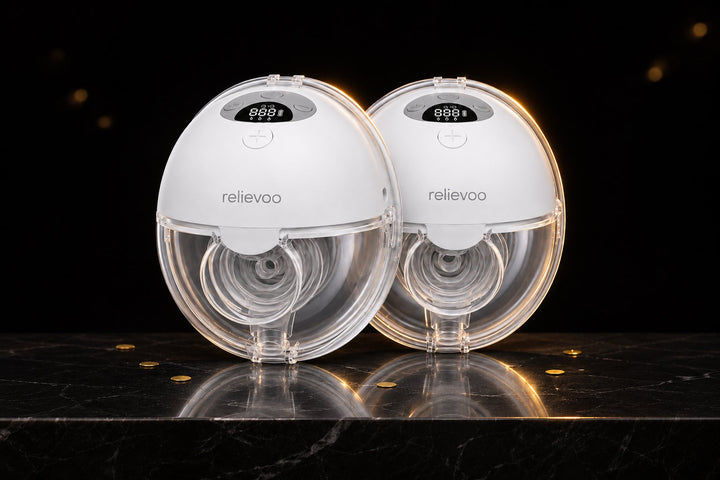
A wearable breast pump is a compact, battery-powered electric pump that fits inside your nursing bra. Unlike traditional pumps, which connect to a collection bottle via tubing and a separate motor unit, a wearable pump holds the motor, the collection cup and the controls all in one small device. You slip it in, switch it on and carry on with your day.
Most wearable pumps are sold as a set of two cups, so you can express from both breasts at once. That is a real time-saver for busy mums, and it is one of the main reasons so many people search for wearable breast pumps UK-wide. If you are new to expressing, the NHS pages on breastfeeding and bottle feeding are a good place to start for general guidance on expressing milk.
| Feature | Details |
|---|---|
| Type | Wearable, in-bra, hands-free double electric breast pump (sold as a set of two cups) |
| Modes | 4 — Stimulation, Suction, Massage, Automatic |
| Levels | Up to 12 adjustable levels with intelligent suction & frequency adjustment |
| Controls | On-device LED display + touch buttons (mode, +, −, power), no app, no Bluetooth |
| Materials | BPA-free, food-grade PP and soft medical silicone in the milk path |
Why choose a hands-free pump?
The biggest appeal of a wearable pump is freedom. You are not tied to a chair or a power outlet, so you can answer emails, make a cup of tea or sit with your older child while you pump. Many mums also find that being able to move around helps them relax, which can make expressing feel less like a chore.
There is also the discretion factor. A wearable pump sits quietly inside your bra, so you can express on a video call or while visiting friends without drawing attention. For mums who return to work or travel regularly, that privacy can make all the difference.
One popular option in this category is the Relievoo M22 PRO2, a hands-free double pump with four modes and twelve gentle levels. It is designed around comfort, with a dedicated massage mode to ease engorgement and tenderness, and an ultra-quiet motor for discreet use. You can see the full range of Relievoo breast pumps to compare what is available.
What to look for when choosing a wearable breast pump
Every mum is different, and the best wearable breast pump UK for one person may not suit another. Here are the key factors to weigh up before you buy.
Comfort and fit
Comfort is the single most important factor. A pump that pinches, slips or feels heavy will quickly end up in a drawer. Look for soft, flexible silicone flanges that gently hug your breast, and check whether the pump comes with different flange sizes or inserts. A good fit is not just about comfort; it also helps the pump work effectively.
Think about how the pump sits in your bra. It should feel secure without digging in, and it should not show through your clothing if discretion matters to you. If you have a larger bust, read our guide on whether wearable breast pumps work for large breasts for more specific advice.
Noise level
No one wants a pump that sounds like a small lawnmower, especially at 2am beside a sleeping baby. Look for pumps described as quiet or low-noise, and read reviews from other mums about how discreet they really are in practice. Some pumps are quiet enough for a work call; others are better kept behind a closed door.
Modes and suction levels
Most electric pumps offer at least two modes: a stimulation mode to encourage let-down, and a suction mode for expression. Some add a massage mode for comfort or an automatic mode that alternates between the two. More levels mean you can fine-tune the suction to what feels right for you, which is especially helpful in the early weeks when your breasts can be tender.
Ease of cleaning
Anything that touches your milk needs to be cleaned after every use, so think about how many parts the pump has and how quickly they can be washed and reassembled. Fewer parts usually means less hassle. Check whether the collection cup is clear, so you can see your milk flow, and whether the materials are BPA-free and food-grade.
Battery life and charging
Wearable pumps run on rechargeable batteries, so battery life matters if you plan to pump away from home. Look for USB charging and consider how long a full charge lasts. Some pumps show the battery level on a small display, which is a handy feature when you are out and about.
Portability and support
Think about how you will carry your pump. A protective case keeps the cups safe in your bag and stops milk from spilling. Also consider what support the brand offers: a clear returns policy and a warranty give you peace of mind if the pump does not work out for you.
How to compare wearable breast pumps honestly
With so many wearable breast pumps UK brands on the market, it helps to have a clear checklist. Here is an honest list of things to consider before you commit to a purchase.
- Does the pump fit your bra size and breast shape comfortably?
- Are the flanges soft and flexible, and do they come in different sizes?
- How loud is the motor in real-life use, not just on paper?
- How many modes and suction levels does it offer?
- Is there a massage mode for engorgement or tenderness?
- How many parts need cleaning, and how quickly can you reassemble it?
- Are the milk-path materials BPA-free and food-grade?
- How long does the battery last on a full charge?
- Is the pump discreet under clothing?
- Does the brand offer a returns policy and warranty?
If you are still unsure whether a wearable pump is worth the investment, our article on whether wearable breast pumps are worth it explores the pros and cons in more depth.
Wearable breast pump comparison table
Use this table as a quick reference when comparing different models side by side.
| Criterion | Why it matters | What to check |
|---|---|---|
| Comfort | A pump you dread wearing will not get used | Soft silicone flanges, secure in-bra fit, no pinching |
| Noise | Discreet pumping matters at work and at night | Low-noise motor, reviews from other mums |
| Fit | The right fit protects your nipples and helps milk flow | Flange sizes, inserts, how it sits in your bra |
| Modes and levels | Gentle, adjustable suction suits every stage | Stimulation, suction, massage and automatic modes |
| Cleaning | Hygiene is essential, and fewer parts save time | Number of parts, BPA-free food-grade materials |
| Battery | Long battery life means pumping away from home | USB charging, battery indicator, charge time |
| Portability | Easy to carry and store when you are out | Protective case, lightweight design, spill-resistant cups |

How to use a wearable breast pump comfortably
Getting the most from a wearable pump starts with positioning. Make sure the flange is centred over your nipple and that the cup sits upright in your bra. A good seal is important, but it should never feel tight or uncomfortable.
Start on the lowest suction level and increase gradually. Pumping should feel like a gentle pulling sensation, never sharp or painful. If it hurts, stop and check the fit, or speak to your midwife or health visitor for advice. For general information on expressing and storing breast milk, the UNICEF UK Baby Friendly Initiative and NCT both offer helpful resources.
Many mums find that expressing in a calm, relaxed setting helps milk flow more easily. Wearable pumps make that easier because you can sit somewhere comfortable, or even move around gently, while you pump. Just avoid bending over or doing anything that might dislodge the cups.
Who should choose a wearable breast pump?
Wearable breast pumps suit mums who value flexibility and discretion. If you are returning to work, travelling, or simply want to express without being tied to a wall socket, a hands-free pump can make a real difference to your day. They are also a good choice for mums with older children who need attention while you pump.
They may be less suitable if you are looking for a pump to use as your primary, all-day pump and prefer a traditional setup with a larger motor unit. Some mums also find that a wearable pump takes a little practice to position correctly. If you are unsure, consider starting with a more affordable model to see how you get on.
For those who prioritise comfort and calm, the Relievoo M22 PRO2 is a gentle, discreet option with a dedicated massage mode and an ultra-quiet motor. It is designed for mums who want a little extra ease in their daily routine, and it comes with free tracked delivery across the UK, a 30-day money-back guarantee and a lifetime warranty.
Final thoughts
Choosing a wearable breast pump UK mums can rely on comes down to understanding your own needs. Think about where you will pump, how often, and what matters most to you, whether that is silence, softness or simplicity. Compare the features honestly, read what other mums say, and do not be afraid to try a pump and return it if it does not suit you. The right pump is the one that makes expressing feel easier, not more complicated.
If you would like to see the full range of options, browse the Relievoo breast pump collection to compare different models and find the one that fits your life.
Frequently asked questions
Which wearable breast pump is best?
The best wearable breast pump depends on your priorities. If comfort and quiet operation matter most, look for a pump with a massage mode, soft silicone parts and a low-noise motor. Compare how each pump fits your bust and how easy it is to clean before you decide.
How does a breast pump work?
A breast pump uses gentle suction to draw milk from the breast, mimicking a baby's natural suckling rhythm. Most electric pumps offer a stimulation phase to encourage let-down, followed by a deeper suction phase for expression. Wearable pumps do this inside your bra, with no tubes or wires.
Should breast pumping hurt?
No, pumping should not hurt. A gentle pulling sensation is normal, but sharp pain usually means the flange size is wrong or the suction is too high. Start on a low level and increase gradually until it feels comfortable but effective.
How long should a breast pump session last?
Most sessions last around 15 to 20 minutes per breast, but this varies from mum to mum. Follow your body's cues and stop when the flow slows or your breasts feel comfortably drained. For specific guidance, speak to your midwife or health visitor.
Can you breast pump while pregnant?
Expressing breast milk during pregnancy is generally not recommended unless advised by a healthcare professional, as nipple stimulation can sometimes trigger contractions. If you have questions about pumping while pregnant, talk to your midwife or GP for individual advice.