Exclusive Pumping Schedule: A Practical How-To Guide
Short answer An exclusive pumping schedule is a routine where you express breast milk with a pump instead of nursing directly. Most moms start by pumping every 2 to 3 hours around the clock to establish milk supply, then gradually adjust as baby grows. The right schedule depends on your baby's age, your milk production, and your daily routine.
An exclusive pumping schedule is a routine where you express breast milk with a pump instead of nursing your baby directly. This article is for moms who have chosen to exclusively pump, whether by preference or circumstance, and want a practical, step-by-step approach to building a schedule that works. The goal here is not perfection, but a flexible routine that supports your milk production and fits into your daily life.

Why an exclusive pumping schedule matters
When you exclusively pump, your breast pump becomes the primary way your baby receives your milk. Your body responds to how often and how completely milk is removed from your breasts. A consistent schedule helps your body understand how much milk to make. The CDC and the Office on Women's Health both offer general guidance on breastfeeding and milk expression, and they are good places to start when you want to learn more about the basics.
An exclusive pumping schedule is not a rigid rule. It is a framework you can adjust as your baby grows and as your body settles into a rhythm. Some moms pump every few hours around the clock. Others find a pattern that works better with their sleep and work routines. The key is consistency, not perfection.
| Feature | Details |
|---|---|
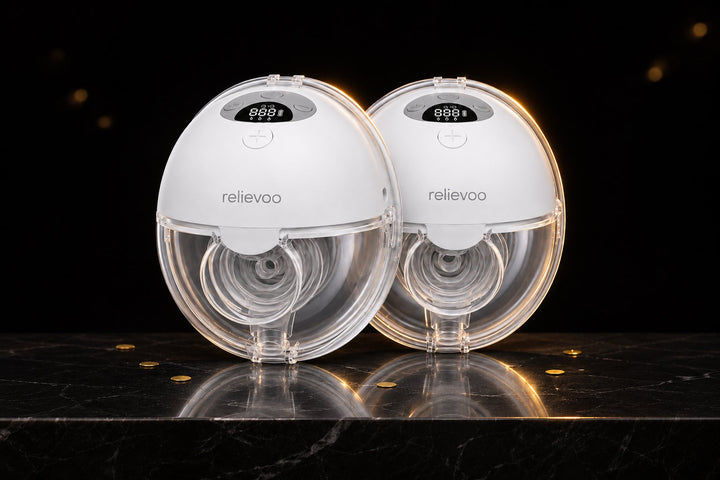
| Type | Wearable, in-bra, hands-free double electric breast pump (sold as a set of two cups) |
| Modes | 4 modes: Stimulation, Suction, Massage, Automatic |
| Levels | Up to 12 adjustable levels with intelligent suction and frequency adjustment |
| Controls | On-device LED display and touch buttons, no app or Bluetooth |
| Materials | BPA-free, food-grade PP and soft medical silicone in the milk path |
Step-by-step guide to building your schedule
Building a schedule from scratch can feel overwhelming, so here is a simple process to follow. These steps are general guidance, and you can adapt them to your own situation.
- Start with frequency. In the early weeks, most moms pump about 8 to 10 times in 24 hours. That usually means every 2 to 3 hours during the day and at least once overnight. Frequent removal helps your body establish and maintain milk production.
- Choose consistent times. Pick times that you can mostly stick to each day. Many moms anchor their schedule around their own meals and their baby's wake times. Consistency helps your body anticipate when milk will be removed.
- Keep sessions effective, not endless. A typical session lasts between 15 and 30 minutes. Pump until your breasts feel comfortably soft and the flow has slowed down. Pumping much longer rarely adds extra milk and can cause nipple discomfort.
- Include one overnight session. Nighttime pumping matters in the early months because your body produces hormones that support milk production while you sleep. One session between 2 a.m. and 5 a.m. is common, but you can adjust it to your sleep pattern.
- Adjust as your baby grows. As your baby starts sleeping longer stretches, you can gradually stretch the time between sessions. Dropping a session entirely is a bigger change than simply pushing it a little later.
- Listen to your body. If your breasts feel overly full or uncomfortable, that is a sign you may need to pump sooner. If you feel engorged often, your schedule may need more frequent sessions.
- Be gentle with yourself. Some days will not go as planned. A missed session or a shorter one is not a failure. What matters is the overall pattern over days and weeks, not a single day.
Sample schedule by baby's age
Here is a general idea of what an exclusive pumping schedule might look like at different stages. These are examples, not prescriptions. Your schedule should reflect your baby's needs and your own life.
| Baby's age | Typical pumping frequency | Example session times |
|---|---|---|
| Newborn (0 to 6 weeks) | 8 to 10 sessions in 24 hours | 6 a.m., 9 a.m., 12 p.m., 3 p.m., 6 p.m., 9 p.m., 12 a.m., 3 a.m. |
| 2 to 3 months | 7 to 8 sessions in 24 hours | 6 a.m., 9 a.m., 12 p.m., 3 p.m., 6 p.m., 9 p.m., 2 a.m. |
| 4 to 6 months | 6 to 7 sessions in 24 hours | 7 a.m., 10 a.m., 1 p.m., 4 p.m., 7 p.m., 11 p.m. |
As your baby starts eating solid foods around 6 months, you may find you can drop another session. Always follow the current advice from HealthyChildren.org from the American Academy of Pediatrics for guidance on breastfeeding and introducing solids.
How to make pumping more comfortable and convenient
Comfort plays a big role in how sustainable your exclusive pumping schedule feels. A pump that is awkward or uncomfortable can make every session feel like a chore. This is where a wearable pump can help. The Relievoo M22 PRO2 is a hands-free, in-bra double pump with four modes across twelve soft levels, including a dedicated massage mode for comfort. It is designed to sit discreetly inside your bra, so you can move around or rest while you pump. It is one helpful option among many, and it is not the answer to everything, but for some moms it makes the routine feel much more manageable.
If you are curious about other options, you can browse the full breast pump collection to compare what is available. Finding a pump that fits your body and your lifestyle can make a real difference in how consistent you can be.
Flange fit matters
One of the most common reasons pumping feels uncomfortable is an incorrect flange size. A flange that is too small or too large can cause friction, pain, and reduced output. If you are unsure about your size, our guide on breast pump flanges explains what to look for. Getting the right fit is one of the simplest ways to make your schedule more comfortable.
Common mistakes to avoid
Many moms run into the same hurdles when they start exclusive pumping. Knowing these ahead of time can help you avoid unnecessary stress.
- Skipping the overnight session too early. Nighttime pumping supports milk production in the early months. Dropping it before your supply is well established can affect your output.
- Watching the clock too closely. Pumping for a set number of minutes regardless of flow is less effective than pumping until your breasts feel soft and drained.
- Ignoring pain. Pumping should not hurt. If it does, check your flange fit and suction level. Persistent pain is a reason to talk to a lactation consultant or your healthcare provider.
- Comparing your schedule to someone else's. Every mom's body and every baby's needs are different. A schedule that works for a friend may not work for you, and that is okay.
- Letting stress take over. Feeling anxious about your output can make pumping feel harder than it needs to be. Try to approach each session as a calm moment rather than a test.
- Not staying hydrated or fed. Your body needs energy and fluids to make milk. Keep water and snacks nearby during your pumping sessions.
How to adjust your schedule over time
Your exclusive pumping schedule will naturally change as your baby grows. Here is how to think about those adjustments.
When your baby sleeps longer
When your baby starts sleeping through the night, you may be tempted to drop your overnight pump right away. A gentler approach is to push that session a little later each night, so your body gradually adjusts to a longer stretch without milk removal.
When you return to work
Going back to work means your schedule needs to fit around your commute and workday. Many moms find it helpful to pump right before leaving, once or twice during the workday, and again as soon as they get home. A wearable pump like the Relievoo M22 PRO2 can be especially useful here because it allows you to pump while you work at your desk.
When your supply regulates
Around 6 to 12 weeks, many moms notice their breasts feel less full between sessions. This is normal as your supply regulates to match your baby's needs. It does not mean your milk is decreasing. It just means your body has become more efficient.

Practical tips for a sustainable routine
Beyond the schedule itself, a few small habits can make exclusive pumping feel more sustainable over the long term.
- Prep your pump parts. Having clean, assembled pump parts ready to go saves time and reduces friction.
- Keep a pumping bag packed. If you pump away from home, keep a bag with your pump, flanges, bottles, and a spare set of parts ready.
- Use a hands-free pump when you can. A wearable pump lets you fold laundry, eat a meal, or simply sit comfortably while you express.
- Store milk safely. Follow the current storage guidelines from the CDC to keep your expressed milk safe for your baby.
- Ask for help when you need it. A lactation consultant can help with schedule questions, flange fit, and any discomfort you are experiencing.
Finding what works for you
There is no single perfect exclusive pumping schedule. There is only the schedule that works for you, your baby, and your life. Start with the general framework of frequent, consistent sessions, then adjust as you learn what your body needs. If you are unsure about anything, your OB-GYN, your pediatrician, or a lactation consultant can offer personalized guidance.
If you are looking for a pump that supports a hands-free routine, the Relievoo M22 PRO2 is designed for comfort and discretion, with a massage mode for tender moments and an ultra-quiet motor for nighttime sessions. It is one option among many, and the right choice depends on your preferences and your body.
Conclusion
Exclusive pumping is a meaningful commitment, and building a schedule is one of the first steps. Be patient with yourself as you find your rhythm. Some days will be smooth, and some will not. What matters is the overall pattern, not a single perfect day. Take it one session at a time, and do not hesitate to reach out to a lactation consultant or your healthcare provider whenever you have questions or concerns.
Frequently asked questions
How do I start an exclusive pumping schedule?
Start by pumping every 2 to 3 hours around the clock, including once overnight. This frequency helps signal your body to produce milk. Keep sessions to about 15 to 20 minutes per side, and always follow the current guidance from the CDC or the Office on Women's Health for safe milk handling and storage.
What is a good exclusive pumping schedule for a newborn?
For a newborn, most moms pump 8 to 10 times in 24 hours. That usually means every 2 to 3 hours during the day and one longer stretch at night. This frequent schedule supports milk production while your baby's feeding patterns are still developing.
Which pumping session should I drop first?
The overnight session is usually the last one to drop, because nighttime prolactin levels help maintain milk supply. As your baby sleeps longer, you can gradually stretch the time between sessions rather than removing one entirely. Talk to a lactation consultant if you are unsure about what feels right.
How long should an exclusive pumping session last?
Most sessions last between 15 and 30 minutes total. You want to pump until your breasts feel comfortably soft and milk flow has slowed down. Pumping much longer than that rarely adds extra milk and can cause nipple discomfort.
Why does pumping hurt and what can I do?
Pumping should not hurt. If you feel pain, check your flange fit, suction level, and nipple position. A properly fitted flange and a gentle suction setting usually resolve discomfort. If pain continues, reach out to a lactation consultant or your healthcare provider for personalized help.