Are wearable breast pumps worth it?
Short answer Wearable breast pumps are worth it for mums who want to express hands-free, move around and pump discreetly without being tethered to a wall socket. They suit busy days, returning to work and night sessions, but they cost more than manual pumps and need regular cleaning. Consider your lifestyle, comfort and how often you plan to pump before deciding.
Are wearable breast pumps worth it? If you are a mum trying to juggle feeding, work and everything else, this question has probably crossed your mind. This guide is for anyone weighing up whether a hands-free, in-bra pump is a sensible buy or an unnecessary extra. We will look at comfort, noise, fit, cleaning and portability so you can decide with confidence.

What makes a wearable breast pump different
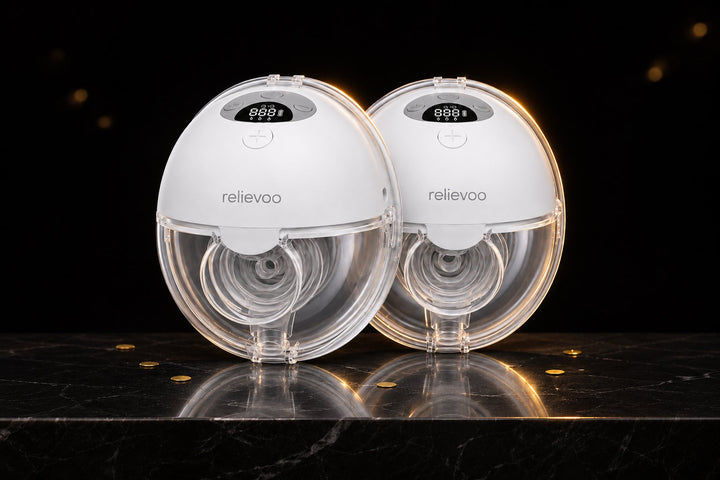
A wearable breast pump is a compact, battery-powered pump that sits inside your bra. Unlike a traditional electric pump, there are no tubes trailing to a wall socket and no bottles dangling from your chest. You slip the cup into your nursing bra, switch it on and carry on with your day.
That simple idea changes where and when you can express. You can pump while making lunch, folding laundry, working at a desk or settling an older child. For many mums, that freedom is the main reason a wearable pump feels worth it.
One example of this style is the Relievoo M22 PRO2, a hands-free double pump worn inside the bra with no tubes or wires. It offers four modes across twelve levels, including a dedicated massage mode, and runs quietly enough for night sessions.
| Feature | Details |
|---|---|
| Type | Wearable, in-bra, hands-free double electric breast pump (sold as a set of two cups) |
| Modes | 4 — Stimulation, Suction, Massage, Automatic |
| Levels | Up to 12 adjustable levels with intelligent suction & frequency adjustment |
| Controls | On-device LED display + touch buttons (mode, +, −, power), no app, no Bluetooth |
| Materials | BPA-free, food-grade PP and soft medical silicone in the milk path |
Comfort: the first thing to check
Comfort is the most important factor when choosing any breast pump. If a pump hurts, you will not use it, no matter how clever the design is. A wearable pump needs to sit securely in your bra without digging in, and the flange needs to fit your breast properly.
Most wearable pumps use soft silicone in the parts that touch your skin. Look for food-grade, BPA-free materials, especially if you plan to pump often. A clear collection cup is also helpful because you can see your milk flowing and check the volume at a glance.
Does a wearable pump feel different from a traditional one?
Yes. A traditional pump pulls milk downward into a bottle that hangs below your breast. A wearable pump collects milk in a cup that sits against your chest. Some mums find this gentler and more natural; others notice the weight of the cup in their bra. It is a personal thing, so it helps to try one and see how it feels.
Noise: can you really pump discreetly?
One of the biggest selling points of a wearable pump is discretion. If you are on a video call, sitting next to your sleeping baby or out at a family gathering, a loud motor would defeat the purpose. Quiet motors matter.
Many wearable pumps are designed to be soft enough for everyday use. The M22 PRO2, for instance, is described as ultra-quiet and tuned for calm night sessions, so you can express beside your baby's cot without startling them awake. If noise is a concern for you, check the pump's description for words like "quiet" or "low-noise" before you buy.
Fit: one size does not fit all
Fit is where wearable pumps can be tricky. Your breast shape, your bra size and the position of your nipple all affect how well a pump sits. A pump that works beautifully for one mum may feel awkward for another.
If you have larger breasts or a fuller bust, you may need to think carefully about how the pump sits and whether your bra supports it. Our article on whether wearable breast pumps work for large breasts goes into more detail on this.
It is also worth remembering that your breast size can change during the early weeks, so a pump that fits at one stage may feel different later. Give yourself time to adjust and do not be afraid to reposition the cup during a session.
Cleaning and hygiene: the practical side
Every breast pump needs cleaning after each use, and wearable pumps are no exception. Because milk touches the cup, the flange and any valves, those parts need washing and sterilising regularly. Check how many separate pieces the pump has: fewer parts usually means quicker cleaning.
For storage times, sterilising advice and safe handling of expressed milk, follow the current guidance from the NHS. They cover everything from fridge storage to warming milk safely.
Some wearable pumps are dishwasher-safe, while others need hand washing. If you are pumping several times a day, easy cleaning can make the difference between a pump you reach for and one you avoid.
Portability and battery life
Portability is the whole point of a wearable pump. You can pack it in your bag, pump on the train or express in a café without finding a power socket. That freedom is valuable for mums returning to work or travelling with a baby.
Battery life varies between models, so think about how long you need between charges. If you pump once or twice a day, most wearable pumps will cope fine. If you pump more often, check how the pump charges and whether a quick top-up is easy.
For keeping everything organised, a protective case can help. The Relievoo protective carrying case has a hard shell and custom-moulded interior to keep your pump and accessories safe when you are out and about.

How to choose: an honest checklist
Before you spend money on a wearable pump, work through this checklist. It will help you compare options and decide what actually matters for your life.
- How often do you plan to pump? Daily pumping justifies a higher spend; occasional pumping may not.
- Where will you pump? At home, at work, in the car or while caring for older children?
- Does the pump fit your bra and breast shape? Check flange sizes and read reviews from mums with a similar build.
- How loud is the motor? Will you use it near a sleeping baby or on calls?
- How many parts need cleaning, and how easy are they to wash and sterilise?
- How long does the battery last, and how does it charge?
- What modes and levels does it offer? Stimulation, suction and massage modes can make sessions more comfortable.
- Are the milk-path materials food-grade and BPA-free?
- What is the return policy? A generous returns window lets you try the pump at home.
Comparing your options
When you look at different pumps, it helps to compare them against the same criteria. The table below summarises what to check and why it matters.
| Criterion | Why it matters | What to check |
|---|---|---|
| Comfort | A painful pump will end up in a drawer | Soft silicone, flange fit, weight in the bra |
| Fit | The pump must sit securely and align with your nipple | Your bra size, breast shape, adjustable parts |
| Noise | Discretion matters for calls, night feeds and public use | Quiet motor, descriptions like "ultra-quiet" |
| Cleaning | Hygiene is essential and frequent cleaning takes time | Number of parts, dishwasher-safe, sterilising method |
| Portability | The pump should be easy to carry and charge | Weight, battery life, charging method |
| Modes and levels | Adjustable suction makes sessions more comfortable | Stimulation, suction, massage and automatic modes |
| Materials | Anything touching your milk should be safe | BPA-free, food-grade PP, medical silicone |
Who a wearable pump suits best
A wearable breast pump is a good fit if you value freedom and discretion. It suits mums who pump regularly, return to work, travel or simply want to move around while expressing. It is also helpful for night pumping, when you want to stay quiet and avoid waking a sleeping baby.
It may be less worthwhile if you only pump occasionally, prefer a traditional setup or find that a wearable pump does not fit your body comfortably. In that case, a simpler pump may serve you just as well. You can browse the full range of breast pumps to compare different styles and find what feels right.
Organisations like the NCT and The Breastfeeding Network offer supportive guidance on feeding and pumping. If you have specific concerns about your milk supply or comfort, your midwife, health visitor or GP can give personalised advice.
Final thoughts
So, are wearable breast pumps worth it? For many mums, yes, because they turn pumping from a stationary chore into something you can fit around your day. The key is to choose one that fits well, feels comfortable and matches how often you plan to use it. Take your time, compare your options and trust your own judgement about what will make your life easier.
Frequently asked questions
Which wearable breast pump is best?
The best wearable pump is the one that fits your body and suits how you live. Look for a comfortable flange fit, quiet motor, enough battery for your sessions and parts that are easy to clean. Many mums compare features like modes and levels to find what feels right for them.
Is a wearable breast pump worth it?
It depends on your routine. If you want to move around, work or care for older children while expressing, a hands-free pump can be a genuine help. If you only pump occasionally at home, a simpler pump may be enough. Think about how often you will use it and where.
How long is a typical breast pump session?
Most pumping sessions last around 15 to 20 minutes per breast, but this varies from mum to mum. The right length depends on your milk flow, your baby's feeding pattern and your comfort. Follow your body's cues and check current guidance from trusted sources like the NHS.
How does a wearable breast pump work?
A wearable pump sits inside your nursing bra with a collection cup over your breast. It creates gentle suction to draw milk into the cup, powered by a small motor built into the device. Most have different modes to stimulate let-down and then switch to a deeper suction rhythm.
Can you pump while pregnant?
Pumping while pregnant is not usually recommended because nipple stimulation can trigger contractions. If you are considering expressing colostrum before your baby arrives, speak to your midwife first. They can give you personalised advice based on your pregnancy and health.