Wearable Pumps NZ: A Buyer's Guide
Short answer A wearable pump is a hands-free, in-bra electric breast pump that sits inside your nursing bra, so you can express without being tethered to a wall or holding bottles. In NZ, they suit mums who want to pump while moving around, at work or at home. Choose one that fits well, feels comfortable and is quiet enough for your setting.
Wearable pumps are changing the way many mums in New Zealand manage expressing. If you are looking for a hands-free option that lets you move around while you pump, this buyer's guide is for you. We will walk through what matters most when choosing a wearable pump, from comfort and fit to noise and cleaning, so you can compare options with confidence.

What Is a Wearable Breast Pump?
A wearable breast pump is a hands-free, in-bra electric pump that sits inside your nursing bra. Unlike a traditional electric pump, there are no tubes connecting you to a machine and no bottles dangling from your chest. The motor, collection cup and controls are all built into the device itself, so you can express while you cook, work at a desk or move around the house.
For many mums, the appeal is simple: you can pump without being tied to a wall or holding anything in place. That freedom is especially useful when you are returning to work, travelling or looking after a toddler while expressing. If you are new to hands-free pumping, our guide on using a wearable electric breast pump covers the basics in more detail.
| Feature | Details |
|---|---|
| Type | Wearable, in-bra, hands-free double electric breast pump (set of two cups) |
| Modes | 4 modes: Stimulation, Suction, Massage, Automatic |
| Levels | Up to 12 adjustable levels with intelligent suction and frequency adjustment |
| Controls | On-device LED display and touch buttons, no app and no Bluetooth |
| Materials | BPA-free, food-grade PP and soft medical silicone in the milk path |
| Charging | USB-rechargeable with a round charging base |
What to Look for in a Wearable Pump
Choosing a wearable pump comes down to how it feels on your body and how well it fits into your day. Here are the main things to consider before you buy.
Comfort and Fit
Comfort is the most important factor. A pump that does not fit well can cause discomfort or make expressing feel like a chore. Look for a pump with soft, flexible materials that sit gently against your breast. The cup should stay in place inside your bra without pressing too hard. A good fit also helps the pump stay upright and spill-resistant while you move.
Flange size matters too. A flange that is too small or too large can affect comfort and how well milk flows. If you are unsure about sizing, our step-by-step guide on flange inserts in NZ explains how to find a comfortable fit.
How It Is Worn
Most wearable pumps are designed to sit inside a nursing bra, with the collection cup against your breast and the motor on top. Some models are bulkier than others, so think about whether the pump will be noticeable under your clothes. If you plan to wear it at work or out and about, a slim, discreet design may matter more to you.
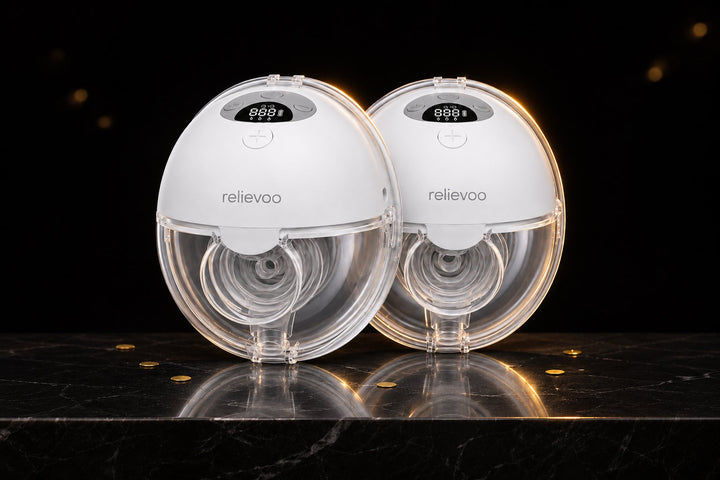
The Relievoo M22 PRO2 is an example of a wearable pump that sits upright in the bra with a clear collector cup, so you can see your milk as it flows. It is worn hands-free with no tubes and no wires to the wall.
Noise Level
Noise can be a deciding factor, especially if you plan to pump at work, in a shared space or beside your baby at night. A quiet motor means you can express without drawing attention or waking a sleeping baby. Check reviews and product descriptions for noise information, and think about where you will most often use the pump.
Cleaning and Maintenance
Any pump that touches your milk needs to be cleaned after every use. Wearable pumps have several parts, so look for one that is easy to take apart and put back together. Fewer fiddly pieces make cleaning quicker and simpler. For detailed advice on keeping your pump hygienic, see our guide on the best way to clean a breast pump.
Portability and Battery
Because wearable pumps are designed for life on the go, battery life and charging matter. Look for a pump with a rechargeable battery that lasts through your usual sessions, and check how it charges. A simple USB charging base is convenient for topping up at home or at work. If you travel often, a protective case can keep the pump and its parts safe in your bag.
Support and Aftercare
Good support makes a difference when you are learning to use a new pump. Check whether the brand offers clear instructions, responsive customer service and a warranty. A pump that comes with a money-back guarantee gives you room to try it and decide if it suits you.
How a Wearable Pump Works
A wearable pump uses gentle suction to draw milk from your breast into a collection cup. Most models offer different modes, such as a stimulation mode to encourage let-down and a suction mode for expressing. Some also include a massage mode to help with engorgement or tenderness.
You place the pump inside your bra, turn it on and adjust the level to what feels comfortable. The milk collects in the cup as you go about your day. When you are done, you remove the cup, pour the milk into a storage container and clean the parts.
For guidance on storing expressed milk safely, follow the current advice from Plunket or Healthify He Puna Waiora.
Wearable Pump vs Traditional Electric Pump
Many mums wonder whether a wearable pump is better than a traditional electric pump. The honest answer is that they suit different situations. A traditional electric pump often has a larger milk collection capacity and may feel familiar if you have used one before. A wearable pump offers portability and discretion, but the collection cups are usually smaller, so you may need to empty them more often during a full session.
Some mums use both, choosing a traditional pump for longer sessions at home and a wearable pump for outings, work or expressing on one side while feeding on the other. Think about your routine and where you will pump most often, then choose the option that fits those moments.
Checklist for Choosing a Wearable Pump
- Does the pump sit comfortably inside your nursing bra without pressing or slipping?
- Is the flange size right for your breast, or can you adjust it with inserts?
- Is the motor quiet enough for work, shared spaces or night-time sessions?
- Are the parts easy to take apart, clean and dry?
- Does the battery last through your usual sessions, and is charging simple?
- Is the pump discreet enough under your clothes for where you will wear it?
- Does the brand offer clear instructions, a warranty and responsive support?
- Can you return it if it does not suit you?

Comparison Table: What to Check
| Criterion | Why It Matters | What to Check |
|---|---|---|
| Comfort and fit | A comfortable pump makes expressing feel easier and more sustainable. | Soft materials, a secure in-bra fit and the right flange size for your breast. |
| Wear style | The pump needs to stay in place while you move and be discreet under clothes. | How the cup sits in your bra and whether the design is slim enough for your setting. |
| Noise level | A quiet motor lets you pump at work, in shared spaces or beside your baby. | Product descriptions and reviews that mention noise during use. |
| Cleaning | Hygiene is essential, and easy cleaning makes daily use more practical. | How many parts there are and how quickly they can be taken apart and reassembled. |
| Portability | Wearable pumps are meant for life on the go, so battery and charging matter. | Battery life, charging method and whether a travel case is available. |
| Support | Good aftercare helps you troubleshoot and feel confident in your purchase. | Warranty, returns policy and how easy it is to reach customer service. |
Who a Wearable Pump Suits
A wearable pump is a good fit if you need your hands free while expressing, whether you are returning to work, caring for an older child or simply prefer to move around. It also suits mums who want to express discreetly in shared spaces or pump on one side while their baby feeds on the other.
It may be less ideal if you prefer a traditional pump for full sessions at home, or if you need a larger milk collection capacity for long stretches away from your baby. Many mums find that a wearable pump works best as one tool in their pumping kit, alongside a traditional electric pump for other moments.
If you are exploring options, you can browse the full range of breast pumps from Relievoo to compare wearable and traditional styles side by side.
Final Thoughts
Choosing a wearable pump is about finding the one that fits your body, your routine and your comfort. Take time to consider how the pump feels, how quiet it is and how easy it is to clean, and do not be afraid to try a few options. The right pump is the one that makes expressing feel a little easier, so you can focus on your baby and the rest of your day.
Frequently asked questions
How does a wearable breast pump work?
A wearable pump sits inside your nursing bra with the collection cup against your breast. It uses gentle suction to draw milk into the cup, and the motor and controls are built into the device itself. There are no tubes or cords, so you can move around while you express.
Which wearable breast pump is best?
The best pump depends on your body, your routine and what feels comfortable. Look at how well the cup fits your breast, how quiet the motor is, how easy it is to clean and whether the controls are simple to use. A pump that fits well and feels gentle is more likely to suit you day to day.
Can you sleep with a wearable breast pump?
It is not safe to sleep while wearing a breast pump. Pumping requires you to be awake and aware of how your body feels, and lying down can affect the fit and the way milk collects. Always sit or stand in a comfortable position and stay awake for the whole session.
When should I use a wearable breast pump?
A wearable pump is handy when you need your hands free, such as while working, doing light tasks around the house or travelling. It can also be useful for expressing on one side while your baby feeds on the other. It is not a replacement for your main pump if you prefer a traditional electric pump for full sessions.
Is a wearable breast pump better than an electric pump?
Neither is better overall, because they suit different situations. A traditional electric pump often has a larger milk collection capacity and may feel familiar, while a wearable pump is more portable and discreet. Many mums use both, choosing a wearable pump for outings and a traditional pump for longer sessions at home.