Storing Breast Milk Guidelines NZ: A Step-by-Step Guide
Short answer Storing breast milk safely in New Zealand means using clean containers, labelling each batch with the date, and following current guidance from trusted health authorities on fridge and freezer storage times. Expressing small amounts, cooling milk quickly, and thawing gently all help keep your milk safe for your baby.
Storing breast milk safely is something every mum who expresses wants to get right. Whether you are returning to work, building a small freezer stash, or simply expressing occasionally, knowing the current guidelines in New Zealand helps you feel confident. This guide walks through the practical steps for storing expressed breast milk, from choosing a container to thawing and feeding, with calm, straightforward advice for Kiwi mums.

Why Safe Storage Matters
Expressed breast milk is a valuable food for your baby, and handling it properly keeps it safe. Clean hands, clean equipment and the right containers all play a part. The good news is that the process is simple once you know the steps. Following trusted guidance also reduces waste, so the milk you work hard to express does not end up in the sink.
In New Zealand, organisations like Plunket and Health New Zealand Te Whatu Ora publish clear information about storing breast milk. Their advice covers fridge and freezer times, safe thawing and what to do with leftover milk. It is always a good idea to check their current guidance, as recommendations can change.
| Feature | Details |
|---|---|
| Capacity | 180ml / 6oz per bag |
| Material | 100% food-grade silicone, BPA, PVC & phthalate-free |
| Closure | Leak-proof double-seal zipper |
| Safe for | Freezer, fridge & microwave safe |
| Cleaning | Dishwasher safe, top rack |
| Eco-friendly | Replaces 1,000+ disposable bags |
What You Need Before You Start
Before you express, gather everything you need. This makes the process smoother and helps you keep things clean. You will need a clean pump, clean hands, and a suitable storage container. Many mums find having a few containers ready in the fridge or freezer makes life easier.
There are two main types of storage containers: hard-sided plastic or glass bottles, and breast milk storage bags. Both work well. Bags are popular because they lie flat in the freezer and take up less space. If you are looking for a reusable option, the Relievoo Reusable Silicone Breast Milk Storage Bags are a practical choice. They are made from food-grade silicone, are leak-proof and freezer-safe, and can be used thousands of times, which means less single-use plastic in your home.
Choosing the Right Container
Whatever container you choose, it should be clean and designed for storing breast milk. Look for containers that are BPA-free and easy to clean. If you use bags, check that they have a secure seal and are freezer-safe. Some bags come with measurement markings, which are handy for tracking how much milk you are storing.
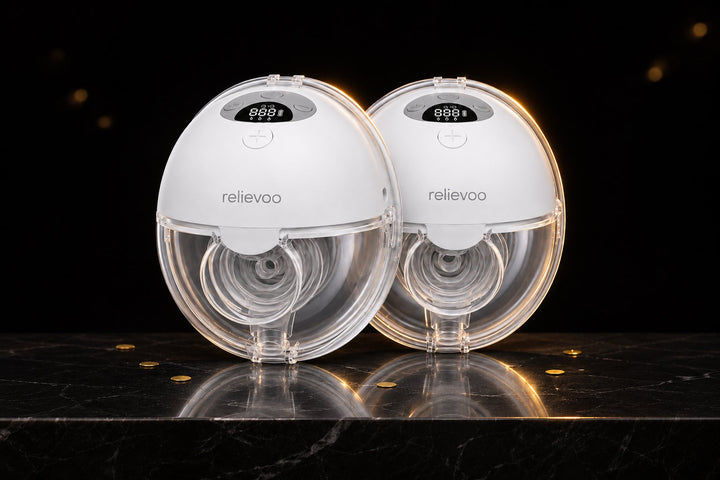
If you are using a wearable pump, you may express directly into the pump cups and then transfer the milk to a storage container. The Relievoo M22 PRO2 is a hands-free, in-bra pump that lets you express without being tethered to a wall. Once you finish, you simply pour the milk into your chosen storage container.
Step-by-Step Guide to Storing Breast Milk
Follow these steps each time you express to keep your milk safe and organised.
- Wash your hands. Always start with clean hands. Use soap and warm water, and dry them on a clean towel.
- Use clean equipment. Make sure your pump parts and storage containers have been washed and sterilised according to the manufacturer's instructions. If you need a refresher, our guide on the best way to clean a breast pump walks through the steps.
- Express into a clean container. Pump into a bottle or directly into a storage bag. If you are using a wearable pump, transfer the milk soon after expressing.
- Label the container. Write the date on the container or bag before you store it. Some mums also note the time if they express more than once a day. This helps you use the oldest milk first.
- Cool the milk quickly. If you are not using the milk straight away, put it in the fridge or freezer promptly. You can store small amounts in the fridge and add cooled milk to a container that is already in the fridge, as long as the new milk is chilled first.
- Store in the right place. In the fridge, place milk towards the back, where the temperature is most consistent. In the freezer, lay bags flat to save space and make them easier to thaw.
- Use or freeze within the recommended time. Follow the current storage times from Plunket or Health New Zealand Te Whatu Ora. Their guidance tells you how long milk stays safe in the fridge and freezer.
How Much Milk to Store Per Container
Storing milk in small amounts is a smart habit. Babies often take different amounts per feed, depending on their age. By storing in small portions, you can thaw only what you need and avoid wasting milk. Most storage bags hold around 180ml, which is enough for a feed or two.
Common Mistakes to Avoid
Even experienced mums can make small errors when storing milk. Here are a few common ones to watch for.
- Adding warm milk to frozen milk. Always cool freshly expressed milk in the fridge before adding it to milk that is already frozen or chilled.
- Overfilling bags. Milk expands when it freezes. Leave some space at the top of the bag to allow for this.
- Forgetting to label. It is easy to lose track of dates, especially if you express regularly. A permanent marker and a few seconds save you from guessing later.
- Thawing in hot water. Thaw milk slowly in the fridge or in a bowl of warm water. Avoid using boiling water or the microwave, as this can create hot spots and destroy some of the milk's natural properties.
- Refreezing thawed milk. Once milk has been thawed, use it within the time recommended by health authorities. Do not refreeze it.
Thawing and Feeding Stored Milk
When you are ready to use stored milk, plan ahead. The gentlest way to thaw milk is to move it from the freezer to the fridge the night before. If you need it sooner, hold the container under warm running water or place it in a bowl of warm water. Gently swirl the container to mix the milk, as fat can separate during storage. This is normal.
Never shake breast milk vigorously, as this can break down some of its components. A gentle swirl is all you need. Once thawed, use the milk within the timeframe recommended by health authorities. Any milk left in the bottle after a feed should be discarded, as bacteria from your baby's mouth can enter the milk.
Storing Milk When You Are Out and About
If you are expressing away from home, a small cooler bag with an ice pack can keep milk chilled until you get home. Many mums use this approach when returning to work or travelling. Once you are home, transfer the milk to the fridge or freezer promptly.
If you are pumping at work, our guide on returning to work while breastfeeding in NZ has practical tips for managing your routine. A protective carrying case can also help keep your pump and accessories organised and clean while you are out.

Quick Reference Table
Here is a simple summary of the key steps for storing breast milk safely.
| Step | What to Do |
|---|---|
| 1. Prepare | Wash hands and clean equipment |
| 2. Express | Pump into a clean container or bag |
| 3. Label | Write the date on the container |
| 4. Cool | Chill milk in the fridge promptly |
| 5. Store | Place in fridge or freezer, towards the back |
| 6. Thaw | Thaw gently in the fridge or warm water |
| 7. Feed | Swirl gently, feed, and discard leftovers |
Finding the Right Pump and Storage for You
Every mum's routine is different, and the right pump depends on how often you express and what feels comfortable. If you are expressing regularly, a hands-free option like the Relievoo M22 PRO2 lets you move around while you pump. It has four modes and twelve gentle levels, so you can adjust the suction to what feels right for you. For storage, reusable silicone bags are a practical and eco-friendly choice. You can browse the full range of Relievoo breast pumps to compare options.
If you are unsure about flange sizing, a comfortable fit makes a big difference. Our guides on Medela flange sizing and Spectra flange sizing explain how to find the right fit. Relievoo also offers flange inserts in smaller sizes to help you pump in comfort.
When to Ask for Help
If you have questions about your baby's feeding or your own comfort, there is plenty of support available. Your LMC midwife, Plunket nurse or GP can offer guidance. Organisations like La Leche League New Zealand and Healthify He Puna Waiora also provide reliable information and support for breastfeeding mums. If you are ever worried about your milk supply or your baby's weight gain, reach out for help rather than waiting.
A Calm Approach to Storing Breast Milk
Storing breast milk does not need to be complicated. With clean equipment, labelled containers and a simple routine, you can build a stash that gives you flexibility and peace of mind. Follow the current guidance from trusted New Zealand health authorities, and remember that every drop you express is a wonderful gift for your baby. Take it one step at a time, and do what works for you and your whānau.
Frequently asked questions
How long can breast milk be stored in the fridge?
The length of time expressed breast milk can stay in the fridge depends on current guidance from health authorities. In New Zealand, Plunket and Health New Zealand Te Whatu Ora provide clear advice on safe storage times. It is always best to check their latest recommendations and label your milk with the date you expressed it.
Can you breast pump lying down?
Yes, you can express lying down, especially with a hands-free wearable pump that sits inside your bra. Comfort is important, so find a position that feels relaxed and allows the pump to sit correctly. If you feel any discomfort, adjust your position or check the flange fit.
Is breast pump safe for my baby?
Breast pumps are generally safe when used correctly and kept clean. Follow the cleaning instructions for your pump and wash your hands before expressing. If you have any concerns about your baby or your milk, talk to your LMC midwife, Plunket nurse or GP.
Should breast pumping hurt?
Pumping should not hurt. If you feel pain, the flange size or suction level may need adjusting. Many pumps offer different modes and levels so you can find a comfortable setting. If pain continues, check your flange fit or speak with a lactation consultant.
What should I look for in a breast pump?
Think about how often you will pump, whether you want a hands-free option, and what feels comfortable for you. Look for adjustable suction levels, a gentle massage mode and parts that are easy to clean. Your comfort and fit are the most important factors.