Medela Symphony Ireland: Comparing Your Breast Pump Options
Short answer The Medela Symphony is a traditional electric breast pump with tubing, designed for frequent, hospital-style expression. In Ireland, you can compare it with wearable in-bra pumps, personal electric pumps and manual pumps. Each type suits a different routine, so the right choice depends on how often you plan to pump, where you will pump and whether you value hands-free convenience.
If you have been searching for "Medela Symphony Ireland", you are likely weighing up the most well-known hospital-style breast pump against the newer options available to Irish mums. This article is for anyone trying to decide between a traditional electric pump with tubing, a wearable in-bra pump or a simple manual pump. We will compare the main types fairly, look at how they suit different routines, and help you work out which one fits your life best.

Understanding the Medela Symphony and how breast pumps work
The Medela Symphony is a traditional electric breast pump designed for frequent, high-volume expression. It is the type of pump you often see in maternity hospitals, with tubing that connects the motor to flanges placed on your breasts. It is a sturdy, reliable piece of equipment, and many mums in Ireland hire or buy one for the early weeks of breastfeeding.
Before comparing options, it helps to understand how a breast pump works. A pump uses suction to draw milk from your breast, mimicking the rhythm of a baby suckling. Most electric pumps begin with a stimulation phase to encourage your let-down reflex, then switch to a deeper, slower suction phase for expression. The HSE has practical guidance on breastfeeding and expressing that is worth reading before you start.
| Feature | Details |
|---|---|
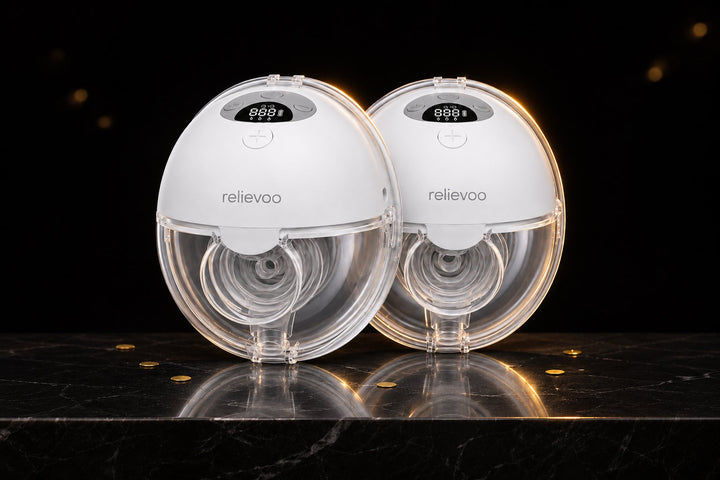
| Type | Wearable, in-bra, hands-free double electric breast pump (sold as a set of two cups) |
| Modes | 4 — Stimulation, Suction, Massage, Automatic |
| Levels | Up to 12 adjustable levels with intelligent suction & frequency adjustment |
| Controls | On-device LED display + touch buttons (mode, +, −, power), no app, no Bluetooth |
| Materials | BPA-free, food-grade PP and soft medical silicone in the milk path |
The main types of breast pumps available in Ireland
When you look for a breast pump in Ireland, you will come across three main types. Each has a different design and suits a different way of living.
Traditional electric pumps with tubing
These are the classic pumps, made by brands like Medela and Lansinoh. They have a motor unit that sits on a table or the floor, with tubing connecting it to the breast shields. They are powerful and reliable, and they are often recommended for mums who pump frequently or who need to express both sides at once. The main drawback is that you are tethered to the motor, so you cannot move around freely while pumping.
Wearable in-bra pumps
Wearable pumps, made by brands like Elvie, Willow and Momcozy, sit entirely inside your nursing bra. There are no tubes and no wires, so you can move around, work or even lie down while expressing. Relievoo also makes a wearable pump, the Relievoo M22 PRO2, which is a hands-free double pump designed for comfort and discretion. Wearable pumps are ideal for mums who want to pump on the go, at work or during the night without waking a sleeping baby.
Manual pumps
Manual pumps, such as those from Philips Avent and Tommee Tippee, are simple handheld devices that work by squeezing a handle to create suction. They are inexpensive, quiet and portable, but they only work on one breast at a time and require effort from your hand. They suit mums who only need to express occasionally, such as for a rare night out or to relieve a little engorgement.
Comparing the Medela Symphony with wearable and manual pumps
To make the choice clearer, here is a table comparing the main types of pumps across the criteria that matter most to mums. The Relievoo column uses the specifications of the M22 PRO2, while the other columns describe the type of pump in general terms.
| Criterion | Traditional electric (e.g. Medela Symphony) | Wearable in-bra (e.g. Relievoo M22 PRO2) | Manual (e.g. Philips Avent) |
|---|---|---|---|
| Design | Motor unit with tubing and flanges | Two cups that sit inside your bra, no tubes | Handheld device with a squeeze handle |
| Hands-free use | No, you are tethered to the motor | Yes, fully hands-free and mobile | No, you need one hand to squeeze |
| Modes and levels | Typically offers stimulation and expression modes | 4 modes (Stimulation, Suction, Massage, Automatic) across up to 12 levels | Suction is controlled by how hard you squeeze |
| Discretion | Visible and noisy, best used at home | Discreet and ultra-quiet, wearable under clothing | Quiet but requires you to sit still |
| Portability | Heavy, needs a power source | Lightweight, USB-rechargeable, fits in a bag | Very small and light, fits in a handbag |
| Best for | Frequent, high-volume pumping at home | Pumping at work, on the move or at night | Occasional expression or emergencies |
Can you pump before the baby is born, and is it safe?
Some mums wonder whether they can express colostrum before the baby arrives. In some cases, antenatal expressing is suggested, but it is not something to start without guidance. The HSE and organisations like Cuidiú and La Leche League of Ireland can offer advice on this. If you are considering pumping before birth, talk to your midwife or public health nurse first, as it is not recommended for everyone.
As for safety, breast pumps are generally safe when used correctly. The key is to use a gentle suction level and to make sure the flange fits properly. Pumping should never hurt. If you feel pain, the flange size may be wrong or the suction may be too high. The HSE has guidance on breastfeeding and expressing that covers comfort and positioning.
How long should a pumping session last, and how often should you pump?
There is no single answer that suits every mum, because it depends on your baby's age, your milk supply and whether you are exclusively pumping or just expressing occasionally. As a general rule, a session should last until your breasts feel comfortably drained, which is often around the same length of time as a feed. For specific guidance on timing and frequency, follow the current advice from the HSE or speak to your public health nurse.
If you are returning to work, you may find it helpful to plan your pumping routine in advance. The Relievoo blog has a practical guide on returning to work and breastfeeding in Ireland that covers how to fit expressing into your working day.

How should the flange fit, and what about cleaning?
Flange fit is one of the most important factors in comfortable pumping. The flange is the funnel-shaped part that sits against your breast, and it needs to be the right size for your nipple. If it is too small or too large, you may feel discomfort or express less milk. Relievoo has a detailed guide on finding the right flange size for a Medela pump that explains how to measure yourself at home.
Cleaning is equally important. Every part that touches your milk should be washed after each use, and sterilised according to the manufacturer's instructions. The Relievoo blog has a step-by-step guide on how to clean a breast pump that covers the basics. For sterilising methods and frequency, follow the current advice from the HSE.
Which pump should you choose? A clear verdict
There is no single "best" pump, because the right choice depends on your routine, your comfort and how often you plan to express. Here is a straightforward guide to who each option suits.
- Choose a traditional electric pump like the Medela Symphony if you pump frequently, need to express both sides at once, and are happy to sit at home or at your desk while pumping. It is a reliable choice for mums who want maximum suction and do not mind the tubing.
- Choose a wearable in-bra pump like the Relievoo M22 PRO2 if you want to pump hands-free, move around the house, work at a desk or express discreetly in public. It is also a good option for night pumping, because the motor is quiet enough not to wake a sleeping baby.
- Choose a manual pump if you only need to express occasionally, such as for a rare night out or to relieve a little fullness. It is simple, portable and easy to clean, but it takes more effort and only works on one side at a time.
If you are still unsure, it can help to think about where you will pump most often. If that is at home with time to sit, a traditional pump may suit you. If you are moving between rooms, caring for a toddler or returning to work, a wearable pump offers far more freedom. You can browse the full range of breast pumps available from Relievoo to see what is on offer.
Making your decision
Choosing a breast pump is a personal decision, and there is no wrong answer. The Medela Symphony is a respected hospital-style pump that works well for frequent, high-volume expression. Wearable pumps like the Relievoo M22 PRO2 offer a different kind of freedom, letting you pump without interrupting your day. Manual pumps are a simple, low-cost backup for occasional use.
Whichever type you lean towards, remember that comfort is the most important factor. A pump that feels gentle and fits well will make expressing far easier. If you have questions about a specific product, Relievoo customer service is happy to help. And if you are ever unsure about your breastfeeding journey, your public health nurse, midwife or GP is the best person to talk to.
Frequently asked questions
How does a breast pump work?
A breast pump uses suction to draw milk from your breast, mimicking the rhythm of a baby suckling. Most electric pumps offer a stimulation phase to encourage let-down, followed by a deeper suction phase for expression. Wearable pumps do this inside your bra, while traditional pumps use tubing connected to a separate motor unit.
What breast pump should I get?
Think about how often you will pump and where. If you pump several times a day at home, a traditional electric pump with tubing may suit you. If you want to move around, work or pump discreetly, a wearable in-bra pump is more convenient. A manual pump is a simple, low-cost option for occasional use.
Why is a breast pump needed?
A breast pump helps you express milk for your baby when you are apart, returning to work or managing engorgement. It can also help maintain your milk supply while you are away from your baby. Many mums in Ireland use one to build a freezer stash or to share night feeds with a partner.
Which breast pump is best?
There is no single best pump for everyone. The right choice depends on your routine, your comfort and how often you plan to express. A hospital-style pump like the Medela Symphony suits frequent, high-volume pumping, while a wearable pump offers hands-free convenience. Compare the features that matter to you and choose accordingly.
Should breast pumping hurt?
No, pumping should not hurt. If you feel pain, the flange size may be wrong or the suction may be too high. The HSE advises getting comfortable and using a gentle setting. If discomfort continues, talk to your public health nurse, midwife or GP for guidance.