Wearable Breast Pumps Canada: A Buying Guide
Short answer A wearable breast pump is a hands-free, in-bra electric pump that fits inside your nursing bra, so you can express milk without tubes or cords. Choosing one in Canada comes down to comfort, fit, noise level, ease of cleaning and how it suits your daily routine. Compare those features honestly for your own needs.
If you are searching for wearable breast pumps in Canada, you are likely looking for a way to express milk with more freedom and less fuss. This guide is for moms who want to understand what a wearable pump is, what to look for, and how to choose one that fits their daily life. We will walk through the key features honestly, so you can compare options with confidence.

What is a wearable breast pump?
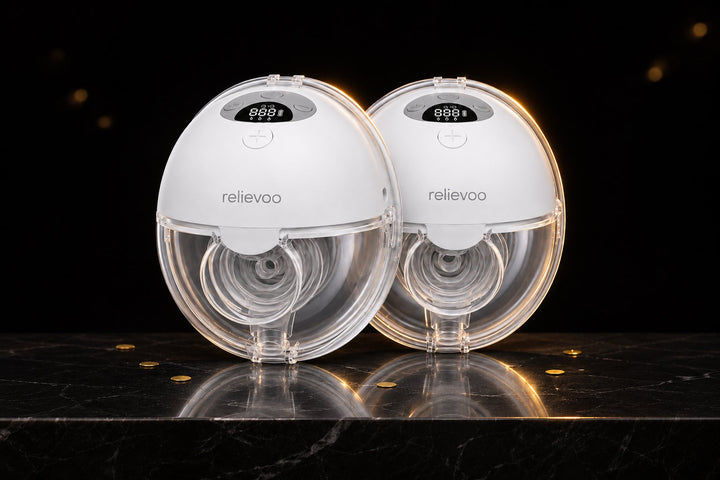
A wearable breast pump is a hands-free, in-bra electric pump that fits discreetly inside your nursing bra. Unlike a traditional pump, it has no tubes connecting to a wall unit and no dangling bottles. The milk collects in a cup that sits against your chest, so you can move around, work on a laptop, or tend to your baby while expressing.
Most wearable pumps are sold as a set of two cups, so you can pump both sides at once. They are powered by a rechargeable battery and controlled with buttons on the device itself. Some models connect to a phone app, while others keep everything on the pump. The choice comes down to what feels simplest for you.
How does a breast pump work?
A breast pump works by creating gentle suction that mimics a baby's sucking rhythm. Most pumps have a stimulation phase to encourage your let-down reflex, followed by a suction phase to draw milk out. Some models add extra modes, like a massage setting, to help with comfort and engorgement.
With a wearable pump, the motor sits right on the cup, so the suction happens close to your breast. You control the level and mode with a touch button. There is no need to sit near an outlet or hold a separate pump body.
| Feature | Details |
|---|---|
| Type | Wearable, in-bra, hands-free double electric breast pump (set of two cups) |
| Modes | 4: Stimulation, Suction, Massage, Automatic |
| Levels | Up to 12 adjustable levels with intelligent suction & frequency adjustment |
| Controls | On-device LED display + touch buttons, no app, no Bluetooth |
| Materials | BPA-free, food-grade PP and soft medical silicone in the milk path |
| Design | Clear collector cup, white motor dome, round USB charging base |
Why choose a wearable breast pump?
Many moms choose a wearable pump for the convenience of being hands-free. You can pump while doing light tasks around the house, during a work call, or while caring for an older child. The discreet design also means you can pump in more settings without drawing attention.
That said, a wearable pump is not the right choice for every situation. Some moms find that a traditional plug-in pump gives them a stronger or more consistent suction. Others prefer the portability of a wearable model for travel or work. It helps to think about where and how you will pump most often before you decide.
If you are still weighing the options, our article on whether wearable breast pumps work offers a closer look at the practical differences.
What matters when choosing a wearable breast pump in Canada
When you compare wearable breast pumps in Canada, a few factors matter more than others. Comfort, fit, noise, cleaning and portability all play a role in how often you will actually use the pump. Here is what to consider for each.
Comfort and suction levels
Comfort is the first thing to check. The flange, which is the part that touches your breast, should feel soft and gentle against your skin. Look for pumps with multiple suction levels so you can start low and gradually increase to a level that feels effective without being painful.
Some pumps also offer different modes, such as a stimulation mode for let-down, a suction mode for expression, and a massage mode for relief. A massage mode can be especially helpful if you deal with engorgement or tender breasts. The more control you have over the rhythm and intensity, the easier it is to find what works for your body.
How it is worn and fit
A wearable pump needs to fit securely inside your bra. The cup should sit flat against your chest and stay in place while you move. If the fit is off, you may experience leaks or reduced suction. Check whether the pump comes with different flange sizes or if you can adjust the fit to your body.
Most wearable pumps are designed to be worn upright in the bra, which helps prevent spills. The cup should be clear enough that you can see your milk flow, and the controls should be easy to reach. A tidy, spill-resistant fit makes a big difference in everyday use.
Noise level
Noise matters more than many moms expect. A loud pump can be distracting during a work call or stressful when you are pumping beside a sleeping baby. Look for a pump with a low-noise motor that will not startle your little one or draw attention in a quiet room.
Some pumps are specifically designed to be ultra-quiet, so you can express during a film or beside the cot at night. If you plan to pump in shared spaces or while your baby sleeps, noise level should be high on your list.
Cleaning and maintenance
Every part that touches your milk needs to be cleaned after each use. Look for a pump with a simple design and few small pieces. A clear collector cup makes it easy to see when it is clean, and food-grade, BPA-free materials give you peace of mind.
For guidance on cleaning your pump while out and about, our guide on how to clean a breast pump on the go covers the practical steps. Following the current advice from Health Canada on safe handling is also a good habit.
Portability and battery life
A wearable pump is only convenient if the battery lasts through your day. Check how the pump is charged and whether it uses a standard USB cable. A simple charging base can make topping up easy, and a battery that holds its charge means you are not hunting for an outlet mid-session.
Portability also includes how the pump fits into your bag. A lightweight design and a protective case can make it easier to bring along to work or on a trip. Think about whether you will pump mostly at home, at the office, or on the go.
Support and warranty
Before you buy, check what kind of support comes with the pump. A clear return policy and a warranty give you peace of mind if the product does not work out. Relievoo offers free tracked delivery across Canada, a 30-day money-back return and a lifetime warranty on its pumps, so you can try one without much risk.
How to compare wearable breast pumps honestly
When you see different brands and models, it helps to compare them side by side. Look at the features that matter for your routine, not just the marketing claims. Here is a simple checklist to guide your comparison.
- Does the pump fit comfortably inside your nursing bra without shifting?
- How many suction levels and modes does it offer, and can you adjust them easily?
- Is the motor quiet enough for the places where you plan to pump?
- How many parts touch your milk, and are they easy to clean?
- Is the battery rechargeable, and how simple is it to charge?
- Can you see your milk flow in the collector cup?
- What materials are used, and are they BPA-free and food-grade?
- Does the brand offer a return policy and warranty?
Using this checklist, you can compare any two pumps fairly. No single pump is right for every mom, so the goal is to find the one that matches your priorities.
Key criteria at a glance
| Criterion | Why it matters | What to check |
|---|---|---|
| Comfort | You will use the pump more often if it feels gentle. | Soft flange material, multiple suction levels, massage mode. |
| Fit | A secure fit prevents leaks and keeps suction effective. | Upright in-bra design, clear cup, adjustable levels. |
| Noise | A quiet motor lets you pump discreetly anywhere. | Low-noise rating, suitable for night pumping. |
| Cleaning | Simple cleaning keeps your routine manageable. | Few parts, BPA-free food-grade materials, clear cup. |
| Portability | Easy to carry and charge means you can pump on the go. | Rechargeable battery, USB charging, lightweight design. |
| Support | Good support protects your purchase. | Return policy, warranty, customer service. |

A closer look at the Relievoo M22 PRO2
One option to consider is the Relievoo M22 PRO2, a hands-free, in-bra double pump built around comfort. It offers four modes across twelve gentle levels: Stimulation to encourage let-down, Suction for a deeper rhythm, Massage for relief from engorgement, and Automatic to flow between the first two. The ultra-quiet motor is designed for calm sessions, even beside a sleeping baby at night.
The pump has no tubes, no wires to the wall and no app to download. Everything is controlled with one-touch buttons on the device, and a small LED display on each cup shows your mode, level and battery. The milk path uses BPA-free, food-grade PP and soft medical silicone, and the clear collector lets you see your flow at a glance. It is sold as a set of two cups and recharges with a simple round USB base.
If you want to see the full range, the Relievoo breast pump collection includes other models with different features. Our guide on top breast pumps for first time moms can also help you narrow down the options.
Practical questions about wearable pumps
Can you breast pump laying down?
You can pump while lying down, but it is not always practical with a wearable pump. The cups need to stay upright in your bra to collect milk properly and avoid spills. For comfort and safety, it is usually easier to pump sitting up or reclined. If you want to pump at night, consider doing so in a seated position beside the bed.
How long should a breast pump session last?
A typical session lasts until your milk flow slows down and your breasts feel comfortable, which is often around 15 to 20 minutes. The right length varies for each mom and can change over time. For current guidance on pumping routines, La Leche League Canada offers practical support for breastfeeding families.
Should breast pumping hurt?
Pumping should not hurt. If you feel pain, the flange may not fit well or the suction may be too high. Start on a lower level and increase gradually until you find a comfortable rhythm. If discomfort continues, talk to your family doctor, midwife, public health nurse or a lactation consultant for personalised advice.
Who each option suits
A wearable breast pump suits moms who value freedom and discretion. It is a good fit if you plan to pump while working, caring for an older child, or travelling. It is also helpful if you want to pump in shared spaces without drawing attention.
A traditional plug-in pump may suit moms who prefer a stronger, more consistent suction and do not mind being tethered to a wall for a session. Some moms use both: a plug-in pump at home and a wearable pump for outings. There is no single right answer, so choose based on your routine and comfort.
For more on the practical side of pumping in Canada, our guide on pumping tips and best practices covers everyday routines, and our article on storing breast milk safely explains how to handle expressed milk.
Final thoughts
Choosing a wearable breast pump in Canada comes down to your own needs and preferences. Comfort, fit, noise, cleaning and portability are the factors that will shape your daily experience. Take your time to compare a few options honestly, and remember that the best pump is the one you feel comfortable using.
If you have questions about a specific product, Relievoo customer service can help you find the right fit. Whatever you choose, the goal is to make pumping a little easier and a lot more comfortable for you.
Frequently asked questions
What is a wearable breast pump?
A wearable breast pump is a hands-free, in-bra electric pump that sits inside your nursing bra. It collects milk in a cup attached to the pump, so there are no tubes, cords or bottles dangling. You can move around and go about your day while expressing.
Which wearable breast pump is best?
The best wearable pump depends on your priorities. Look at comfort, how well it fits your bra, noise level, how easy it is to clean and how many modes and levels it offers. Compare a few options side by side and think about when and where you will use it most.
Can you breast pump laying down?
You can pump while lying down, but it may not be practical with a wearable pump. The cups need to stay upright in your bra to collect milk properly and avoid spills. For comfort and safety, it is usually easier to pump sitting up or reclined.
How long breast pump session?
A typical pumping session lasts until your milk flow slows down and your breasts feel comfortable, which is often around 15 to 20 minutes. The right length varies for each mom. Follow the current advice from a trusted source like La Leche League Canada for guidance.
Should breast pumping hurt?
Pumping should not hurt. If you feel pain, the flange may not fit well or the suction may be too high. Start on a lower level and increase gradually. If discomfort continues, talk to your family doctor, midwife, public health nurse or a lactation consultant.