Best Breastfeeding Pump Canada: A Practical Comparison
Short answer The best breastfeeding pump in Canada depends on how often you plan to pump and where. Wearable in-bra pumps offer hands-free convenience for busy days, traditional electric pumps with tubing are a reliable choice for regular use, and manual pumps work well for occasional relief. Consider your lifestyle, comfort needs and budget to find the right fit.
Finding the best breastfeeding pump in Canada can feel like a big decision, especially when you are already juggling a new baby and a mountain of advice. This article is for moms who want a clear, honest comparison of the main types of pumps available, so you can choose with confidence. We will look at wearable in-bra pumps, traditional electric pumps with tubing, and manual pumps, and we will name some well-known brands along the way.

Why the Right Breast Pump Matters
Your pump is a tool you will likely use daily, sometimes several times a day. A pump that fits well and feels comfortable can make pumping sessions calm and straightforward. A pump that does not suit your body or your routine can turn a simple task into a frustrating one. Taking the time to compare your options before you buy is worth it.
Every mom is different. Some need to pump full-time at work, others pump once in a while to have a bottle on hand, and some want the freedom to pump while caring for older children. Your lifestyle, your budget and your comfort all play a role in which pump will serve you best.
| Feature | Details |
|---|---|
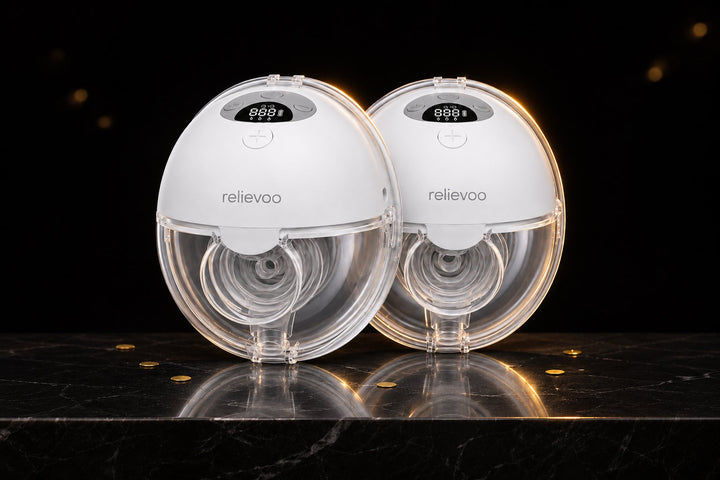
| Type | Wearable, in-bra, hands-free double electric breast pump (sold as a set of two cups) |
| Modes | 4 — Stimulation, Suction, Massage, Automatic |
| Levels | Up to 12 adjustable levels with intelligent suction and frequency adjustment |
| Controls | On-device LED display and touch buttons, no app, no Bluetooth |
| Materials | BPA-free, food-grade PP and soft medical silicone in the milk path |
| Noise | Ultra-quiet motor, tuned for calm night sessions |
The Main Types of Breast Pumps
Broadly speaking, breast pumps fall into three categories: wearable in-bra pumps, traditional electric pumps with tubing, and manual pumps. Each type has its own strengths, and none is universally "best." The right choice depends on how you plan to use it.
Wearable In-Bra Pumps
Wearable pumps sit discreetly inside your nursing bra, with no tubes and no cords. They are designed for hands-free pumping, which makes them a popular choice for moms who need to move around, work, or care for other children while expressing. Brands like Momcozy, Elvie and Willow are known for making wearable pumps.
Relievoo offers its own wearable option, the Relievoo M22 PRO2, a hands-free double electric pump with four modes and up to twelve levels. It includes a dedicated massage mode for comfort, an ultra-quiet motor, and on-device controls with no app required. The cups are made with BPA-free, food-grade PP and soft medical silicone in the milk path.
Traditional Electric Pumps with Tubing
Traditional electric pumps consist of a motor unit connected to breast shields through tubing. They have been a trusted choice for decades and are often the type you see in hospital settings. Brands like Medela and Lansinoh are well known for this style of pump. These pumps typically offer reliable suction and are a solid choice for moms who pump regularly and do not mind being seated near a wall outlet.
Manual Pumps
Manual pumps are operated by hand, using a squeeze handle to create suction. They are lightweight, quiet and inexpensive, and they require no power source. Brands like Philips Avent and Tommee Tippee make manual pumps. A manual pump can be a good backup option or a primary choice for moms who only pump occasionally.
Comparing Your Options Side by Side
To help you weigh the options, here is a comparison table. The Relievoo column reflects the features of the M22 PRO2. The other columns describe the general characteristics of each pump type.
| Criterion | Relievoo M22 PRO2 (Wearable) | Other Wearable Pumps | Traditional Electric Pumps | Manual Pumps |
|---|---|---|---|---|
| Hands-free use | Yes, worn in-bra with no tubes | Generally yes, worn in-bra | No, requires tubing and a motor unit | No, requires one hand to operate |
| Modes and levels | 4 modes, up to 12 levels | Varies by brand and model | Varies, often multiple modes | Single suction controlled by hand |
| Portability | High, fits in a bra or small bag | High, designed for on-the-go | Moderate, needs a surface and outlet | Very high, small and lightweight |
| Noise level | Ultra-quiet motor | Varies, often quiet | Varies, can be audible | Silent |
| Ease of cleaning | Simple, few parts | Varies, often simple | More parts, including tubing | Simple, few parts |
| Best suited for | Busy moms who pump while moving | Moms who want discretion and freedom | Regular pumping at home or work | Occasional use or travel backup |
How to Help Pump Breast Milk Effectively
Getting comfortable with pumping takes a little time. A few simple habits can make sessions smoother. Start by finding a quiet, relaxed space where you will not be interrupted. Having a photo of your baby or a familiar blanket nearby can help some moms feel more at ease.
It is also helpful to understand your pump's settings. Most electric pumps, including the M22 PRO2, offer a stimulation mode to encourage let-down, followed by a suction mode for expression. Taking a minute to let the stimulation mode work before switching to suction can make a difference in comfort and output.
For guidance on breastfeeding and infant nutrition, the Public Health Agency of Canada offers reliable information. The Caring for Kids resource from the Canadian Paediatric Society is another helpful place to learn more.
Why Is Pumping Not as Good as Breastfeeding?
Many moms wonder whether pumping delivers the same results as nursing directly. The honest answer is that they are simply different. A baby's mouth uses a complex combination of suction and tongue movement that a pump cannot fully replicate. Some moms find they express less milk with a pump than their baby removes at the breast, which is normal.
Pumping also requires you to manage the equipment, clean it, and store the milk properly. None of this is difficult, but it adds steps that direct breastfeeding does not involve. If you are concerned about your output or your baby's feeding, a lactation consultant can offer personalised support.
Should I Breastfeed or Pump First?
In the early weeks, many health professionals suggest offering the breast first to establish your milk supply and your baby's latch. Pumping can be introduced gradually, for example to build a small stash for a future outing or to prepare for returning to work. Your midwife, public health nurse or lactation consultant can help you decide what is right for your situation.
If you are pumping to relieve engorgement or to store milk, a wearable pump like the M22 PRO2 can make the process gentler. The built-in massage mode is designed to ease the tight, tender feeling that many moms experience. You can read more about the benefits and considerations of hands-free pumping in our article on whether wearable breast pumps work.

What Breast Pump Should I Buy?
With so many options, it helps to narrow things down by asking yourself a few questions. How often will you pump? Where will you pump most often? Do you need to move around while pumping, or will you be seated? How much storage capacity do you need? Answering these questions will point you toward the right category.
If you plan to pump several times a day, a double electric pump, whether wearable or traditional, will save you time. If you only need a bottle now and then, a manual pump might be enough. If you are returning to work and want to pump at your desk, a wearable pump offers discretion that a traditional pump cannot match.
For a deeper look at the differences between wearable and traditional options, you can browse the Relievoo breast pump collection and read our buying guide on wearable breast pumps in Canada.
Our Verdict: Choose This If...
There is no single best breastfeeding pump in Canada, but there is a best pump for each mom. Here is a clear breakdown of who each option suits.
- Choose a wearable in-bra pump if... you need your hands free, want to pump while moving around the house or at work, or value discretion. The Relievoo M22 PRO2 is a comfortable, quiet choice with a massage mode for extra gentleness.
- Choose a traditional electric pump if... you pump regularly and are happy to sit near a power outlet. These pumps have a long track record of reliable suction and are widely available from brands like Medela and Lansinoh.
- Choose a manual pump if... you pump only occasionally, want a lightweight backup, or are travelling and want something small. Brands like Philips Avent and Tommee Tippee offer simple, effective manual options.
- Choose a combination if... you want the reliability of a traditional pump at home and the freedom of a wearable pump when you are out. Many moms find that having both covers every situation.
Final Thoughts
Choosing a breast pump is a personal decision, and there is no wrong answer as long as the pump fits your life. Take your time, consider how you will use it, and do not hesitate to ask for help from a lactation consultant or your care provider. The right pump will make your pumping journey feel easier, and that is what matters most.
For more practical advice on pumping, including cleaning and storage, explore our guide on cleaning your breast pump on the go and our article on storing breast milk safely. If you have questions about a specific product, Relievoo customer service is happy to help.
Frequently asked questions
What is the best breast pump in Canada?
The best pump depends on your routine. Wearable in-bra pumps suit moms who need hands-free convenience, traditional electric pumps with tubing are dependable for regular pumping, and manual pumps work for occasional use. Think about where and how often you will pump before choosing.
Why is pumping not as good as breastfeeding?
Pumping and breastfeeding are different experiences. A baby removes milk in its own rhythm, while a pump relies on suction patterns. Many moms find that pumping takes practice and that their output varies. If you have concerns about milk removal, talking to a lactation consultant can help.
Should I breastfeed or pump first?
In the early weeks, many health professionals suggest offering the breast first to establish your milk supply and your baby's latch. Pumping can be introduced gradually, for example to build a stash or when you return to work. Your midwife, public health nurse or lactation consultant can guide you.
How does a breast pump work?
A breast pump uses suction to draw milk from the breast into a collection container. Most electric pumps offer different modes and levels to mimic a baby's sucking rhythm. Wearable pumps sit inside your bra, while traditional pumps connect to bottles through tubing.
Can you pump before the baby is born?
Pumping before birth is not generally recommended, since nipple stimulation can trigger contractions. If you are considering expressing colostrum before your baby arrives, speak with your care provider first. They can advise on whether it is safe for your situation.