Do Wearable Breast Pumps Work for Large Breasts?
Short answer Yes, wearable breast pumps can work well for large breasts, but the key is fit and support. You need a pump with a flange that sits comfortably and a bra that holds the cup securely in place. Look for adjustable suction levels and a design that stays put, so you can express hands-free without leaks or discomfort.
If you have larger breasts, you might be wondering whether wearable breast pumps actually work for your body. The short answer is yes, they can, but the fit and support matter more than anything else. This article is for mums in Australia who are considering a hands-free pump and want to know what to look for, what to avoid, and how to get a comfortable, effective session every time.

What makes a wearable breast pump work for larger breasts?
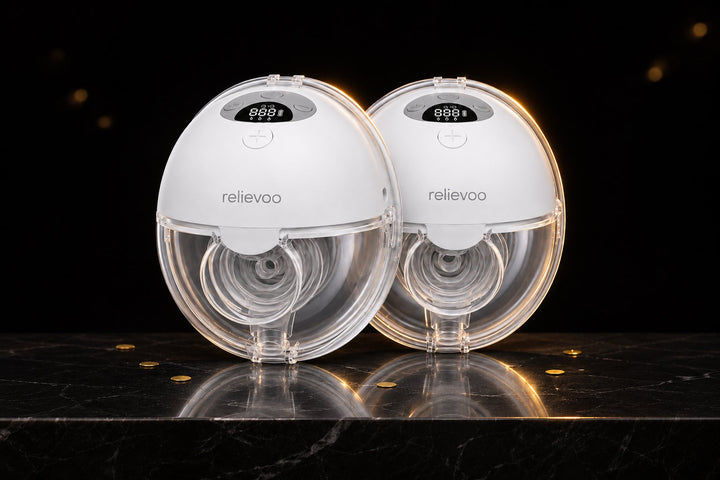
Wearable breast pumps are designed to sit inside your nursing bra, with the collection cup over your breast and the motor on top. Because there are no tubes or cords, they give you the freedom to move around, which is a big drawcard for many mums. But for larger breasts, the way the pump sits, the weight of the cup, and the strength of the suction all play a part in whether it works well for you.
The most important factor is a secure fit. If the pump does not sit flat against your breast, the seal can break, which means less effective suction and possible leaks. A supportive bra is essential, because it holds the cup in place and keeps the weight of the pump from pulling on your breast tissue. Many mums find that a firm, well-fitted nursing bra makes all the difference.
How do wearable breast pumps work?
Wearable pumps use gentle suction to draw milk from your breast into a collection cup. Most have different modes, such as a stimulation mode to encourage let-down and a suction mode for a deeper, slower rhythm. The pump sits entirely inside your bra, so you can move around, use your phone, or even lie back while expressing. There is no need to be tethered to a wall, which is one of the main reasons mums choose them.
For larger breasts, the key is making sure the flange, the part that goes over your nipple, is the right size for you. A flange that is too small can cause pain, while one that is too large may not create a good seal. It is worth taking the time to check the fit before you commit to a full session.
| Feature | Details |
|---|---|
| Type | Wearable, in-bra, hands-free double electric breast pump (sold as a set of two cups) |
| Modes | 4 — Stimulation, Suction, Massage, Automatic |
| Levels | Up to 12 adjustable levels with intelligent suction & frequency adjustment |
| Controls | On-device LED display + touch buttons, no app, no Bluetooth |
| Materials | BPA-free, food-grade PP and soft medical silicone in the milk path |
| Noise | Ultra-quiet motor, tuned for calm night sessions |
Comfort and fit: the two things that matter most
Comfort is not just about how the pump feels against your skin. It is about whether the pump stays in place, whether the suction feels gentle, and whether you can wear it for a full session without soreness. For larger breasts, the weight of the pump can be an issue, so a lighter design with a secure fit is a good idea.
Look for a pump that has soft, flexible materials in the parts that touch your breast. Food-grade silicone and BPA-free plastics are common in well-made pumps. The flange should sit comfortably around your nipple, and the cup should not dig into your breast tissue. If you are unsure about sizing, the Australian Breastfeeding Association has resources on flange fit and pumping comfort.
What to check when you try a wearable pump
- Does the cup sit flat against your breast without gaps?
- Is the pump light enough to wear without pulling on your bra straps?
- Does your nursing bra hold the pump securely in place?
- Are the suction levels adjustable so you can find a gentle setting?
- Is the pump quiet enough to wear around your baby or on a work call?
- Can you see your milk flow clearly through the collection cup?
- Is the pump easy to clean and assemble?
Noise, portability and support: what else to consider
Noise matters more than many mums expect. If you are pumping beside your sleeping baby at 2am, a loud motor can be a problem. A quiet pump lets you express without disturbing anyone, which is a real advantage for night sessions. The Wearable Breast Pump M22 PRO2 is designed with an ultra-quiet motor, so it is a good option if noise is a concern for you.
Portability is another big factor. A wearable pump should be easy to slip into your bag and take with you, whether you are heading to work, visiting family, or just moving around the house. Some pumps come with a carrying case, which can help keep everything organised. The Relievoo breast pump collection includes accessories that make travelling with your pump simpler.
Support is not just about your bra. It is also about the help you can get if something is not working. A good pump should have clear controls and a display that shows your mode, level and battery, so you are not guessing. If you have questions, Relievoo customer service can help you with fit and troubleshooting.
Choosing the right pump: a practical checklist
When you are comparing wearable breast pumps, it helps to have a clear idea of what you need. Here is a simple checklist to guide you:
- Check the flange size and whether it can be adjusted for your nipple.
- Look for multiple modes, such as stimulation, suction and massage.
- Make sure the suction levels are gentle and adjustable.
- Consider the weight of the pump and how it feels in your bra.
- Check the noise level, especially if you plan to pump at night.
- Look for a clear collection cup so you can see your milk flow.
- Make sure the pump is easy to clean and assemble.
- Check the battery life and how the pump is charged.
Comparison table: what to look for in a wearable pump
| Criterion | Why it matters | What to check |
|---|---|---|
| Fit and flange size | A good seal is essential for effective suction and comfort. | Check that the flange sits comfortably and does not pinch or gap. |
| Weight and support | A heavy pump can pull on your bra and cause discomfort. | Try the pump in your bra and see if it stays in place. |
| Suction levels | Gentle, adjustable suction helps you find a comfortable setting. | Look for multiple levels and a stimulation mode for let-down. |
| Noise level | A quiet pump lets you express without disturbing your baby. | Check the motor noise, especially for night sessions. |
| Cleaning and assembly | Easy cleaning makes daily use simpler and more hygienic. | Check how many parts there are and how quickly they dry. |
| Portability | A wearable pump should be easy to carry and use anywhere. | Look for a compact design and a simple charging method. |
| Battery and display | Knowing your battery level and mode helps you plan sessions. | Check for a clear display and a long-lasting battery. |

How to get the best results with a wearable pump
Getting a good result from a wearable pump is about more than the pump itself. Your bra, your positioning and your routine all play a part. For larger breasts, a supportive nursing bra is the single most helpful thing you can use. It holds the pump in place, keeps the seal intact, and reduces the chance of leaks.
It is also worth taking your time at the start of a session. Using a stimulation mode to encourage let-down before switching to suction can make a big difference to how much milk you express. If you feel tender or engorged, a massage mode can help you feel more comfortable. The Wearable Breast Pump M22 PRO2 includes a dedicated massage mode, which is a thoughtful feature for mums who deal with engorgement or lumps.
For general guidance on pumping and breast milk storage, the Raising Children Network has practical information for Australian families. If you have specific concerns about your breasts or milk supply, it is always a good idea to speak with your midwife, your child and family health nurse, or your GP.
Who a wearable pump suits best
A wearable breast pump is a great fit for mums who want to express hands-free, whether they are returning to work, caring for other children, or simply want to move around while pumping. It also suits mums who pump regularly and want a quieter, more discreet option than a traditional electric pump.
If you have larger breasts, a wearable pump can work well, but you will need to pay attention to fit and support. Try it with a firm nursing bra, check the flange size, and give yourself a few sessions to get used to it. If you are unsure which pump to choose, the Relievoo breast pump range offers a few options, and Relievoo customer service can help you find the right one for your body.
Final thoughts
Wearable breast pumps can absolutely work for large breasts, as long as you choose one that fits well and feels comfortable. The right bra, the right flange size, and a pump with gentle, adjustable suction will make your sessions easier and more enjoyable. Take your time to compare your options, and do not be afraid to ask for help if something does not feel right. Your comfort matters, and finding a pump that works for your body is worth the effort.
Frequently asked questions
How do wearable breast pumps work?
Wearable breast pumps sit inside your nursing bra, with a collection cup over your breast and a motor that creates suction. They work in a similar way to a standard electric pump, but there are no tubes or cords, so you can move around and use your hands while expressing. Most have different modes, like stimulation and suction, to help with let-down and milk flow.
What is the best breast pump for larger breasts?
The best pump for larger breasts is one that fits securely and comfortably in your bra. Look for a wearable pump with a flange that sits well against your breast and a cup that does not feel too heavy or bulky. A supportive nursing bra is also important, because it holds the pump in place and helps maintain a good seal.
Can using a breast pump make your breast bigger?
No, using a breast pump does not permanently change the size of your breasts. Your breasts may feel fuller or larger during a pumping session because of milk and increased blood flow, but this is temporary. After you finish expressing, your breasts will return to their usual size.
Why is my breast pump not working?
If your pump is not working, the most common issue is a poor seal between the flange and your breast. Check that the cup is positioned correctly and that your bra is holding it firmly in place. Also make sure the parts are assembled properly and that the device is charged. If problems continue, it is worth talking to your child and family health nurse or the Australian Breastfeeding Association.
Should breast pumping hurt?
No, breast pumping should not hurt. A little discomfort at the start of a session can happen, but sharp pain is a sign that something is not right, often the flange size or suction level. Try adjusting the suction to a gentler level and check the fit. If pain continues, speak with your midwife, GP or the Australian Breastfeeding Association for support.