Are Wearable Breast Pumps Worth It?
Short answer Wearable breast pumps are worth it for mums who want to express hands-free without being tethered to a wall, especially when returning to work, caring for older children or pumping overnight. They are generally quieter and more discreet than traditional pumps, though they hold less milk and need more frequent cleaning.
If you have been searching for "are wearable breast pumps worth it", you are likely weighing up whether a hands-free pump is a smart buy for your everyday life. This guide is for mums in Australia who are curious about ditching the tubes and cords, but want honest answers before spending their money. We will walk through comfort, fit, noise, cleaning and portability so you can decide with confidence.

What is a wearable breast pump and how does it work?
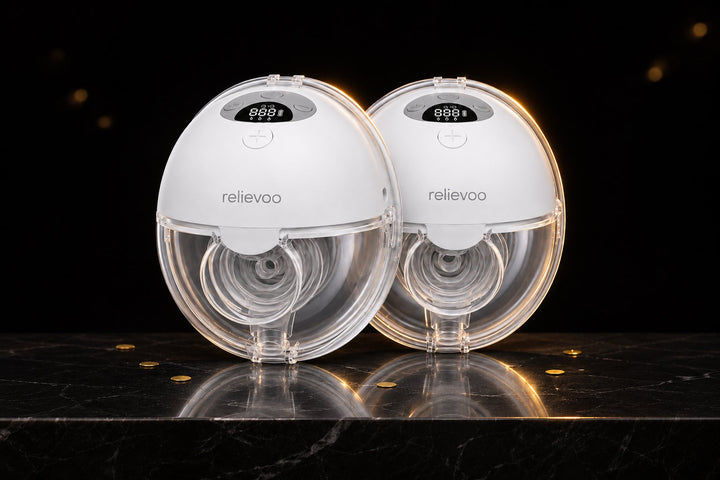
A wearable breast pump is a hands-free, in-bra electric pump that sits discreetly inside your nursing bra. Unlike a traditional electric pump, there are no tubes connecting you to a motor on the table, and no wires to the wall. The motor, controls and collection cup are all contained in the device itself.
Most wearable pumps offer different modes. A stimulation mode uses a light, quick rhythm to encourage let-down, while a suction mode uses a deeper, slower rhythm to mimic your baby's natural suckling. Some pumps also include an automatic mode that flows between the two, and a massage mode to help with engorgement or tenderness.
Because everything lives on the device, you can move around, tend to your baby or even sit through a work meeting while expressing. That freedom is the main reason mums consider a wearable pump in the first place.
How long is a typical breast pump session?
Most pumping sessions last around 15 to 20 minutes per breast, but this can vary depending on the mum and how established her milk supply is. It is best to follow your body's cues and the current advice from a trusted source like the Australian Breastfeeding Association. Pumping until the breasts feel softer or the flow slows down is a sensible general guide.
| Feature | Details |
|---|---|
| Type | Wearable, in-bra, hands-free double electric breast pump (sold as a set of two cups) |
| Modes | 4 — Stimulation, Suction, Massage, Automatic |
| Levels | Up to 12 adjustable levels with intelligent suction & frequency adjustment |
| Controls | On-device LED display + touch buttons, no app, no Bluetooth |
| Materials | BPA-free, food-grade PP and soft medical silicone in the milk path |
Comfort: the most important factor
Comfort is the single biggest reason mums either love or abandon their breast pump. If a pump is painful or awkward, no amount of convenience will make you use it. When comparing wearable pumps, look for soft medical silicone in the milk path and a flange that fits your nipple size properly.
Some wearable pumps now include a massage mode, which is a thoughtful addition for mums dealing with engorgement, lumps or the everyday tenderness of lactation. The Relievoo M22 PRO2 is one example of a pump built around comfort, with a dedicated massage mode alongside stimulation, suction and automatic modes. It is designed to feel gentle, not clinical, which makes a real difference in the early weeks.
Why is my breast pump not working comfortably?
If a pump feels uncomfortable, the most common culprits are a flange that is the wrong size, suction that is set too high, or a pump that does not sit evenly in the bra. Start on the lowest suction level and increase gradually. If discomfort continues, it is worth checking the fit of the flange and speaking with your child and family health nurse or a lactation consultant.
Noise levels: can you pump discreetly?
Noise matters more than most mums expect. A loud pump can wake a sleeping baby at 2am, make a work call awkward, or draw attention when you are trying to be discreet. Wearable pumps are generally much quieter than traditional electric pumps, but there is still variation between models.
Look for pumps that describe themselves as ultra-quiet or low-noise. This is especially important if you plan to pump overnight or in shared spaces. A pump that is quiet enough to wear beside your baby's cot without startling them awake is a genuine advantage.
Fit and how the pump is worn
A wearable pump only works well if it fits properly inside your bra. Most are designed to sit upright in a nursing bra, which helps keep them spill-resistant and discreet. The fit affects both comfort and how effectively milk is expressed.
When comparing pumps, consider the shape and weight of the cups. A palm-sized cup is easier to wear under clothing and less likely to feel bulky. Some pumps have a clear collector cup so you can see your milk flow, which is helpful for checking that everything is working correctly.
If you have larger breasts, fit can be more of a consideration. For a detailed look at this, read our article on whether wearable breast pumps work for large breasts.
Cleaning and maintenance
Cleaning is the less glamorous side of pumping, but it matters for your baby's health. Every part that touches your milk needs to be washed and sterilised according to current guidelines. Wearable pumps have more parts than a traditional pump, so cleaning can take a little longer.
Look for pumps made from BPA-free, food-grade materials with soft medical silicone in the milk path. These are safe for your baby and easy to keep clean. For the most up-to-date advice on cleaning and sterilising your pump, the Raising Children Network has practical guidance for Australian families.
Portability and battery life
Portability is the whole point of a wearable pump. Because there are no cords or tubes, you can throw the cups in your bag and pump anywhere. This is a huge advantage for mums returning to work, travelling, or simply wanting to move around the house while expressing.
Battery life is worth checking before you buy. Most wearable pumps are USB-rechargeable, which means you can top them up from a phone charger or power bank. Some models show the battery level on a small LED display on each cup, so you are never caught out mid-session.
If you are heading back to work, our guide on returning to work while breastfeeding in Australia covers the practical side of pumping in the workplace.

How to choose: an honest checklist
Before you buy a wearable pump, work through this checklist. It will help you compare options on the things that actually matter day to day.
- Does the pump have a massage mode for engorgement and tenderness?
- How many modes and suction levels does it offer?
- Is the motor quiet enough for night pumping or a work call?
- Does the cup sit comfortably and discreetly inside your nursing bra?
- Are the milk-path materials BPA-free and food-grade?
- Can you see your milk flow in a clear collector cup?
- How easy is it to clean and sterilise all the parts?
- Is it USB-rechargeable, and does it show the battery level?
- Does it come with a warranty and a money-back guarantee?
Comparison table: what to check when choosing
| Criterion | Why it matters | What to check |
|---|---|---|
| Comfort | If it hurts, you will not use it | Soft silicone flanges, massage mode, adjustable suction |
| Noise | Affects night pumping and discretion | Ultra-quiet motor ratings |
| Fit | Poor fit means poor expression and leaks | Palm-sized cups, upright in-bra design, spill-resistant |
| Cleaning | Safety for your baby and daily convenience | BPA-free, food-grade materials, number of parts |
| Portability | Lets you pump anywhere, anytime | USB-rechargeable, battery indicator, no cords or tubes |
| Support | Peace of mind if something goes wrong | Warranty, returns policy, customer service |
Who a wearable pump suits best
A wearable pump is a great fit for mums who want to express without being tied to a wall. It suits those returning to work, mums with older children to chase, and anyone who pumps overnight and wants to stay quiet. It also suits mums who simply want to move around the house while expressing, rather than sitting still for 20 minutes.
It is less ideal if you are looking for a single pump to do everything and prefer a larger collection capacity, or if you are on a very tight budget. Many mums find a wearable pump works best as their everyday pump, while keeping a traditional pump as a backup.
If you think a wearable pump might suit your life, it is worth browsing the full range of breast pumps at Relievoo to compare your options. The Relievoo M22 PRO2 is a comfort-led choice with four modes, twelve levels and a quiet motor, designed for mums who want ease and calm in their pumping routine.
The bottom line
So, are wearable breast pumps worth it? For most mums, the answer is yes if freedom and discretion are what you value. They are quieter, more portable and far more convenient than traditional pumps, and the comfort features on newer models are genuinely thoughtful. The trade-offs are a smaller collection capacity and more parts to clean.
Think about when and where you will pump, and choose a pump that fits your body and your routine. If you have questions about a specific product, Relievoo's customer service team can help you compare the details. And for any concerns about your milk supply or pumping technique, your midwife, child and family health nurse or the Australian Breastfeeding Association helpline are there to support you.
Frequently asked questions
Which wearable breast pump is best?
The best wearable pump depends on your priorities. If comfort and quiet operation matter most, look for a pump with a massage mode and low noise levels. If you plan to pump as your main pump, check the collection capacity and how easy it is to clean. Compare a few options side by side and think about when and where you will actually use it.
Is a wearable breast pump worth it?
For many mums, yes. A wearable pump lets you express hands-free, so you can move around, care for your baby or work while pumping. They are also much quieter than traditional pumps, which helps at night or on a work call. The trade-off is usually a smaller milk collection capacity and more parts to clean.
How long is a typical breast pump session?
Most pumping sessions last around 15 to 20 minutes per breast, but this can vary from mum to mum and change as your baby grows. It is best to follow your body's cues and the current advice from a trusted source like the Australian Breastfeeding Association. Pumping until the breasts feel softer or the flow slows is a good general guide.
How does a wearable breast pump work?
A wearable pump sits inside your nursing bra with no tubes or cords. It uses gentle suction to draw milk from the breast into a collection cup. Most have different modes, such as stimulation to encourage let-down and suction for deeper expression. The controls and battery are built into the device itself.
Can you pump while pregnant?
Expressing breast milk during pregnancy is generally not recommended unless advised by a health professional, as nipple stimulation can trigger contractions. If you have questions about pumping while pregnant, it is best to speak with your midwife, GP or the Australian Breastfeeding Association helpline for personalised guidance.